
The Science Show - Separate stories podcast
Channel Details
The Science Show - Separate stories podcast
The Science Show gives Australians unique insights into the latest scientific research and debate, from the physics of cricket to prime ministerial biorhythms.
Recent Episodes
420 episodes
What Matters? prize-winners reflect on essays
Past winners Maisie Morrison, Joseph Solina and Ruby Tarman tell Amy Briggs how their outlook has changed since writing their essays.
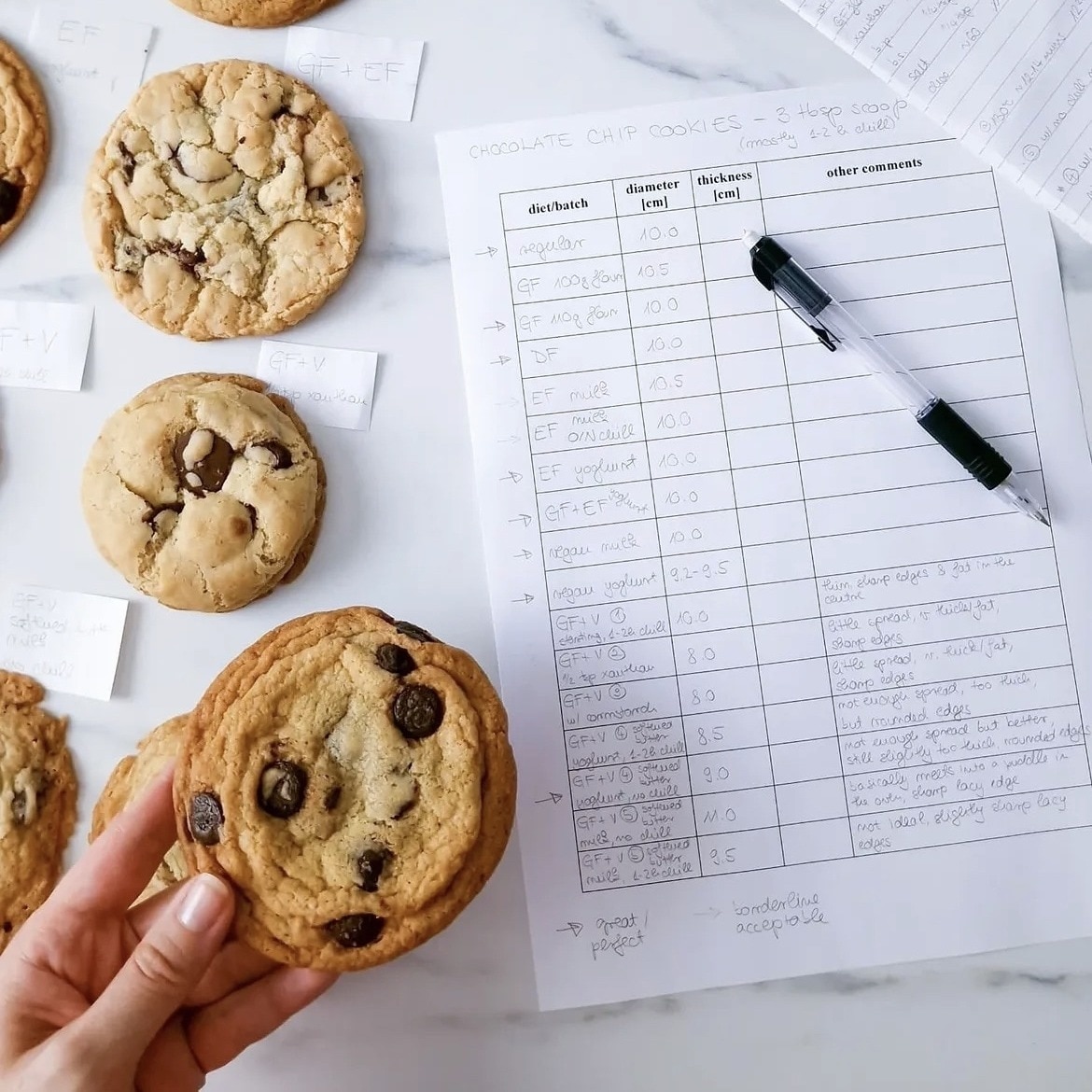
The science of gluten-free baking
Kat Cermelj describes how to bake gluten-free goodies that taste as good as the real thing.
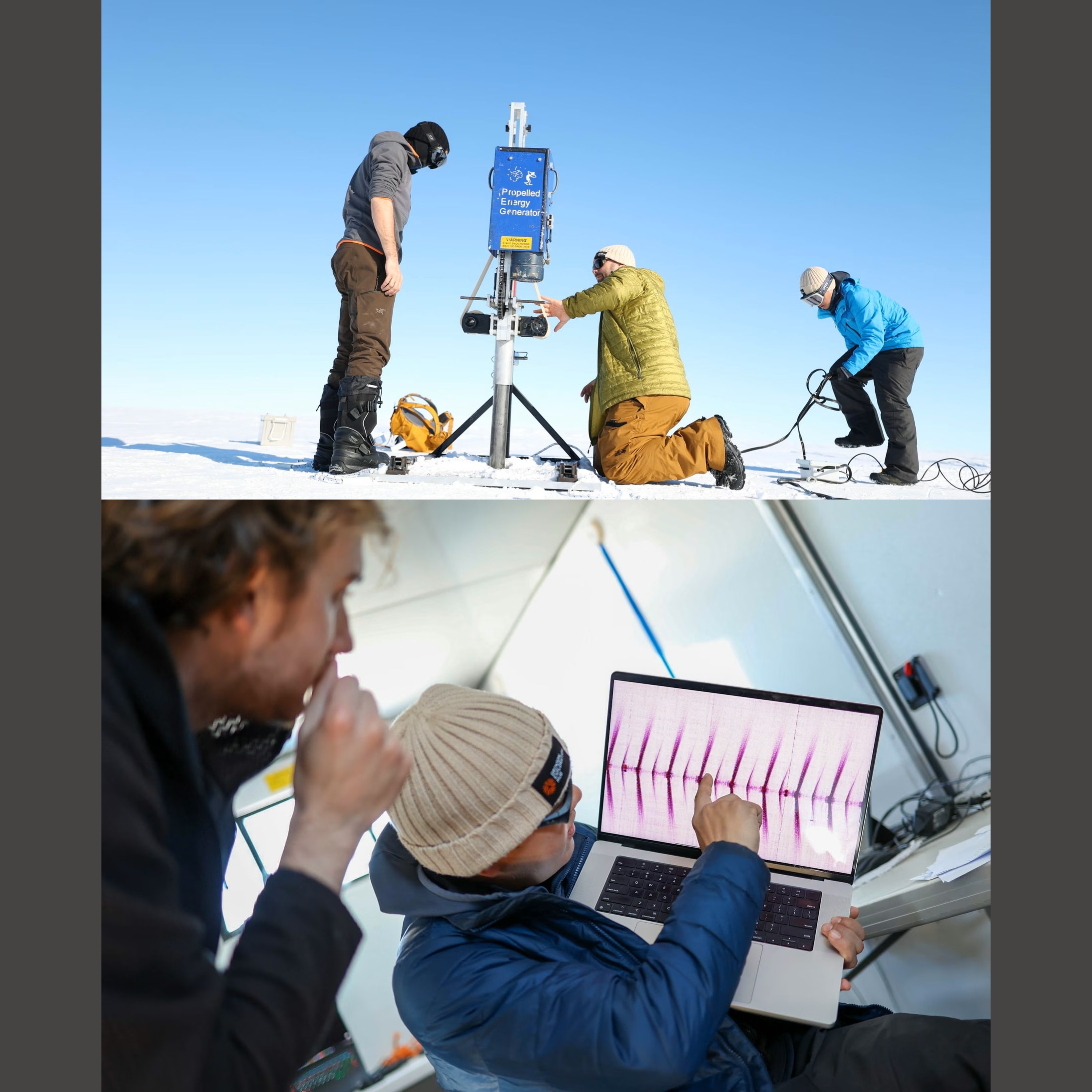
Ultrasound used to monitor glaciers in Antarctica
Warmer ocean water is leading to faster melting of Antarctic glaciers.
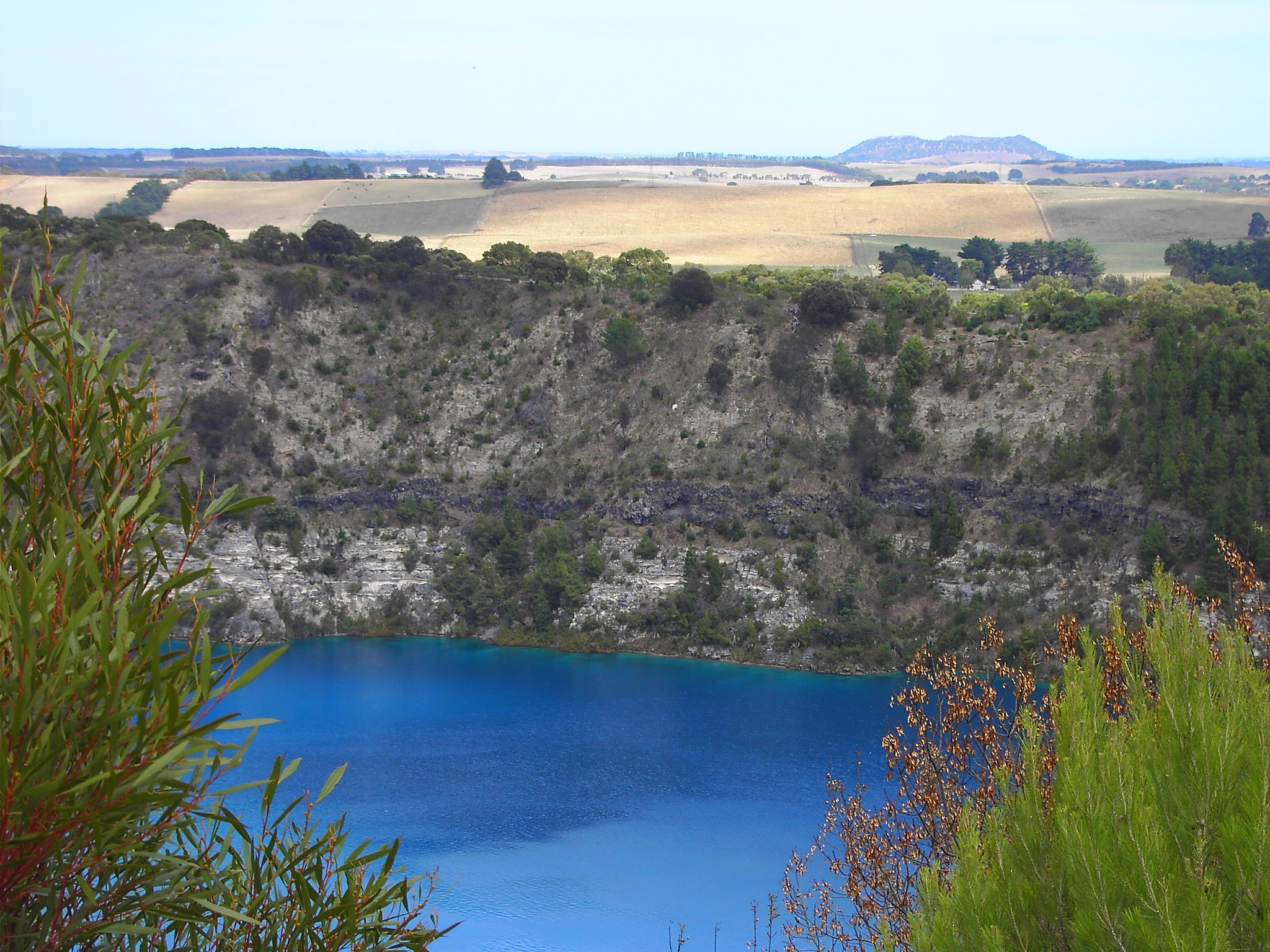
Aboriginal oral history offers clues about Australia’s volcanism
A creation story of the Boandik people of the south-eastern coastal region of South Australia and western Victoria provides a timeline for Australia’s...
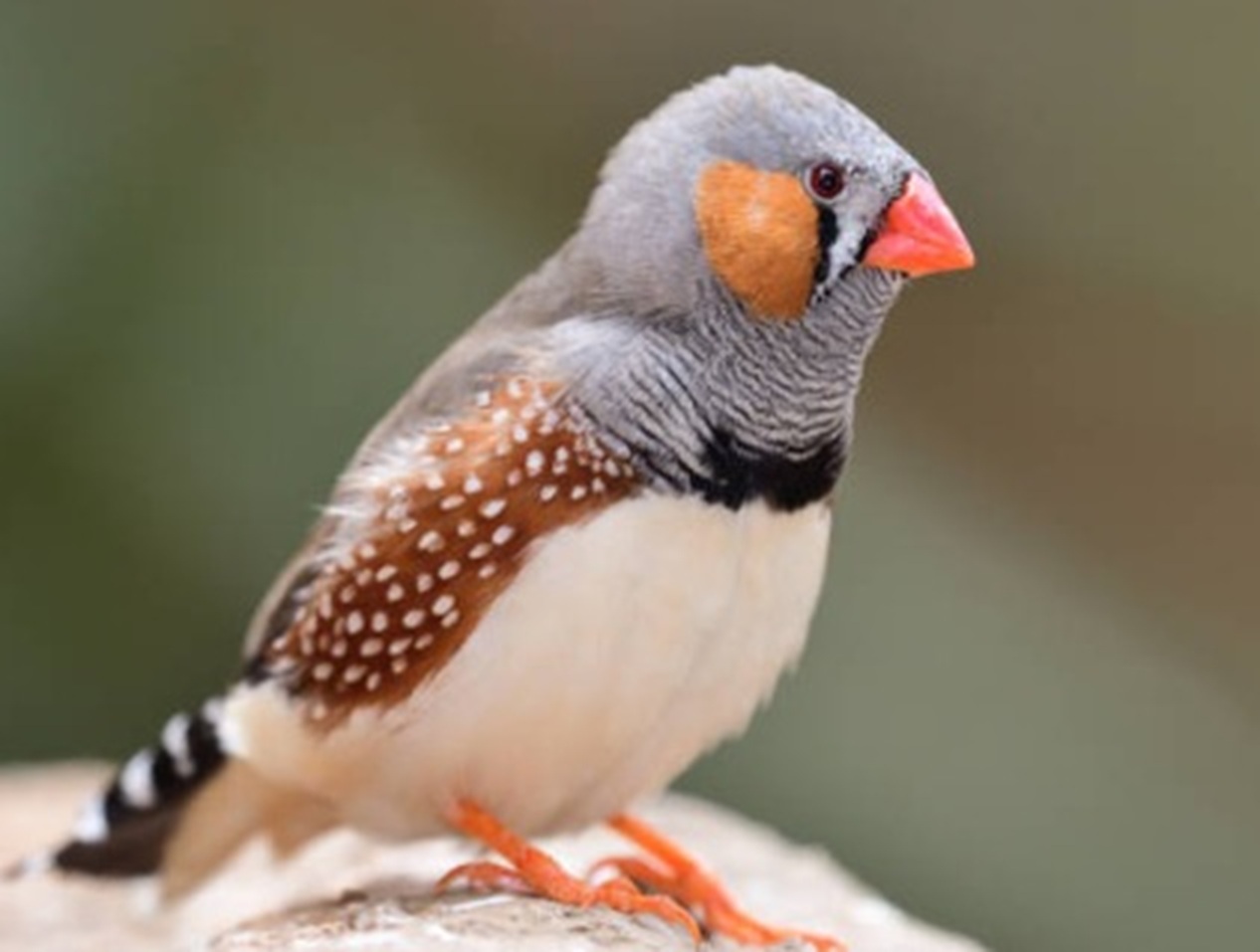
The making and storage of memory
Professor of neurobiology Carlos Lois at the California Institute of Technology describes experiments using Australian zebra finches to investigate ho...
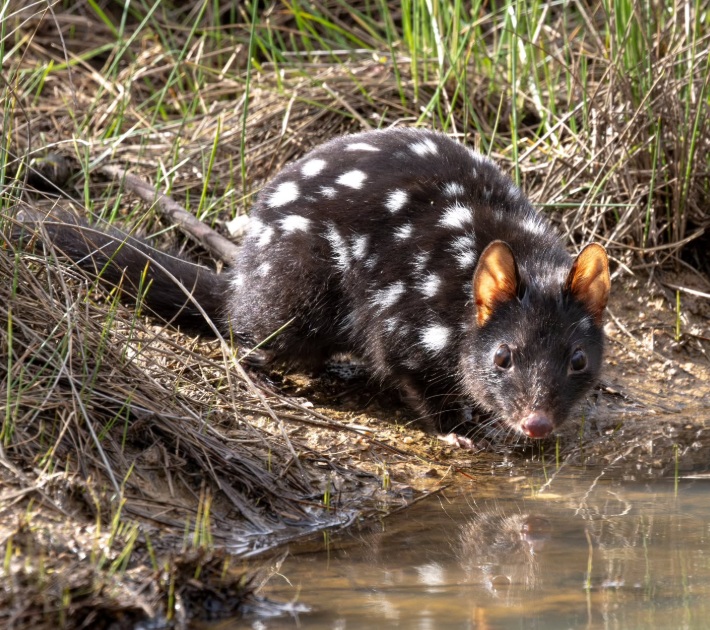
Quarantine to protect native mammals from bird flu
Amy Briggs takes us to Mulligans Flat, a wildlife sanctuary north of Canberra to see preparations to quarantine a threatened marsupial, the eastern qu...
How education is being reshaped to open even more doors
The Science Show offers views on education from student Chloe Kwan, Superstar of STEM Jennifer Baker and indigenous rights campaigner Noel Pearson.
The science of peace?
Ian Lowe is co-president of the Australian Peace and Security Forum and has many ideas about peaceful alternatives - beyond what is dismissed as ‘woke...
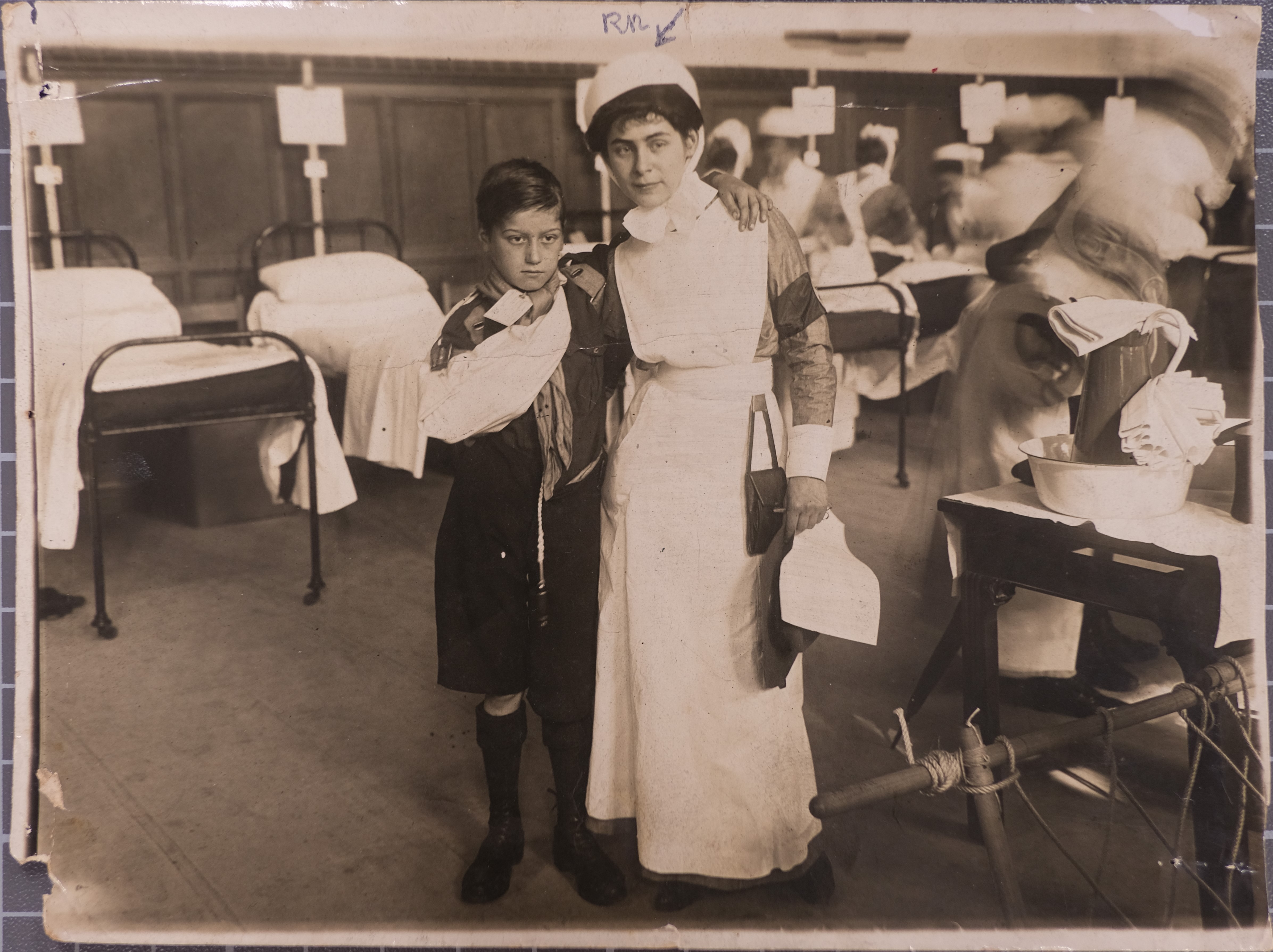
How eugenics started the birth control movement
In 1926, the organisation now known as Family Planning Australia was created, and eugenics played a role alongside feminism in the birth control movem...

The search for elusive subatomic particles - deep in a Canadian nickel mine
Dan Falk takes us 2Km underground to SNOLAB, the Sudbury Neutrino Observatory in northern Ontario, a Canadian science laboratory specialising in neutr...

Terence Tao's King's birthday honour
Australian mathematician Terence Tao, now a professor at the University of California Los Angeles, was awarded the AC – The Companion of the Order of...
Bird brains help biologists understand human brains
Australian zebra finches are being used to understand how human brains work and answer fundamental questions such as where memories are stored.
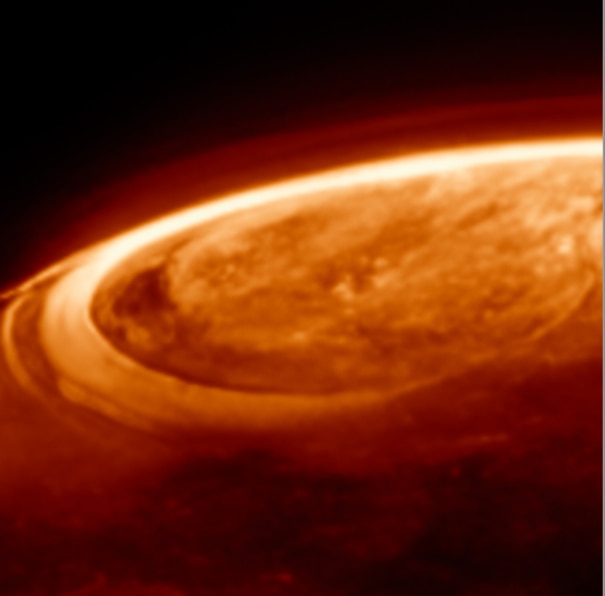
Auroras - seen on Earth at the poles and beyond
The coloured lights in the sky at the poles are produced by charged particles exciting molecules in the atmosphere. And not only on Earth.
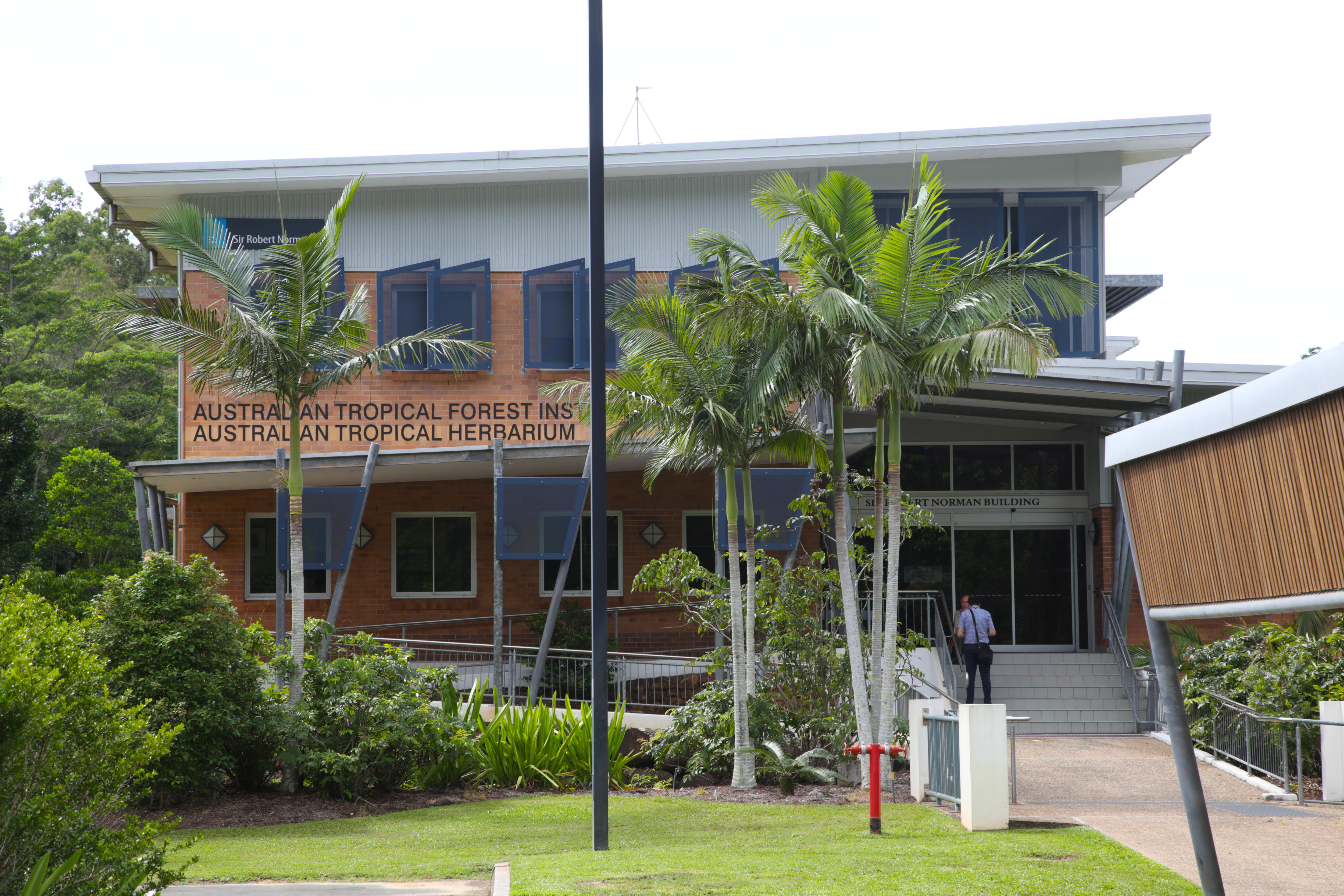
Australia’s tropical herbarium
James Cook University in Cairns hosts Australia’s tropical herbarium.
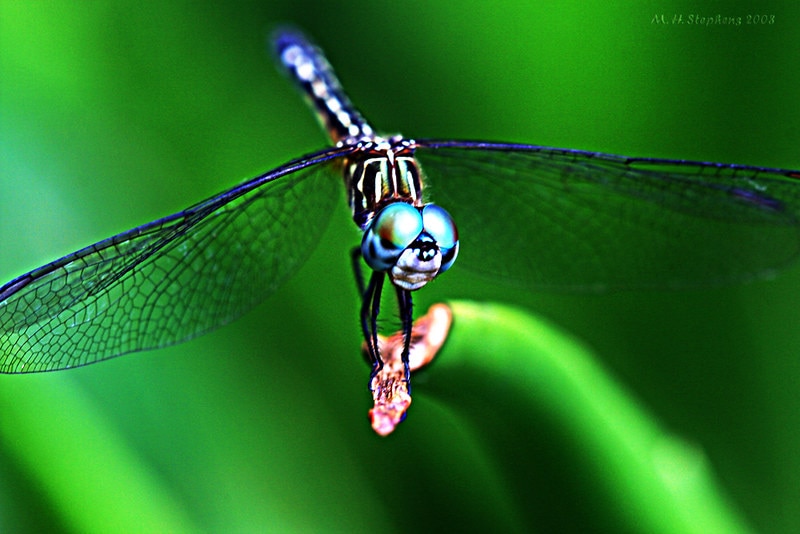
Do insects feel pain?
We can’t ask them. So we must run experiments. Some indications suggest insects do feel pain. So should insects then have rights, such as mammals
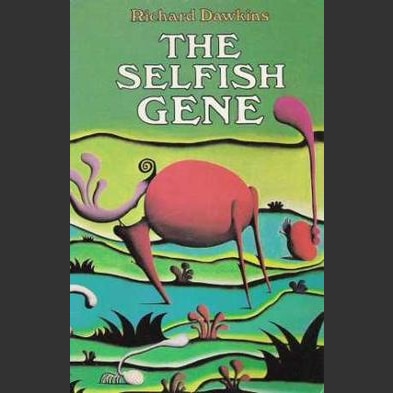
The Selfish Gene turns 50
We return to an interview back when this famous book was first launched in 1976, when it received sceptical responses from mainstream science.

The role of cellular organelles in fighting pathogens such as toxoplasmosis
Lena Pernas studies organelles as active participants in host defence, asking how mitochondria and other organelles sense infection, communicate with...
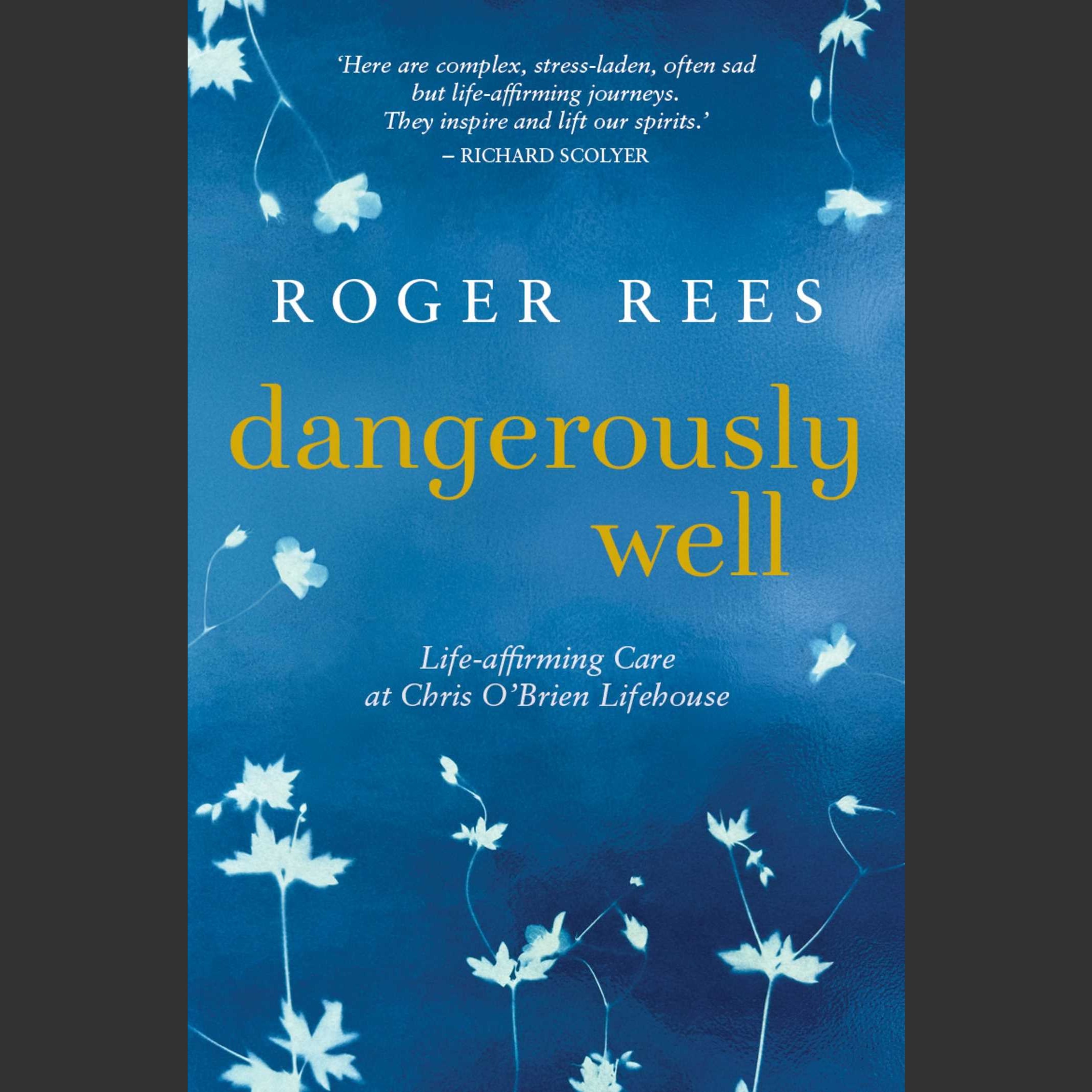
Dangerously Well
In his book, Dangerously Well, Roger Rees writes about his experience in 2018 when his dear friend Anne Marks was diagnosed with a rare type of saliva...
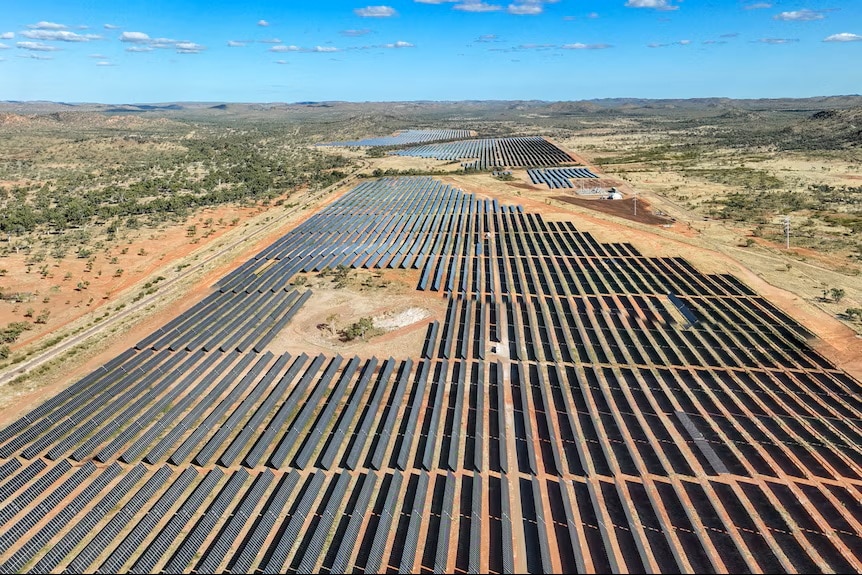
How Australia can be a leader in clean energy
Max Lu, vice-chancellor at the University of Wollongong says yes. He presents his case.
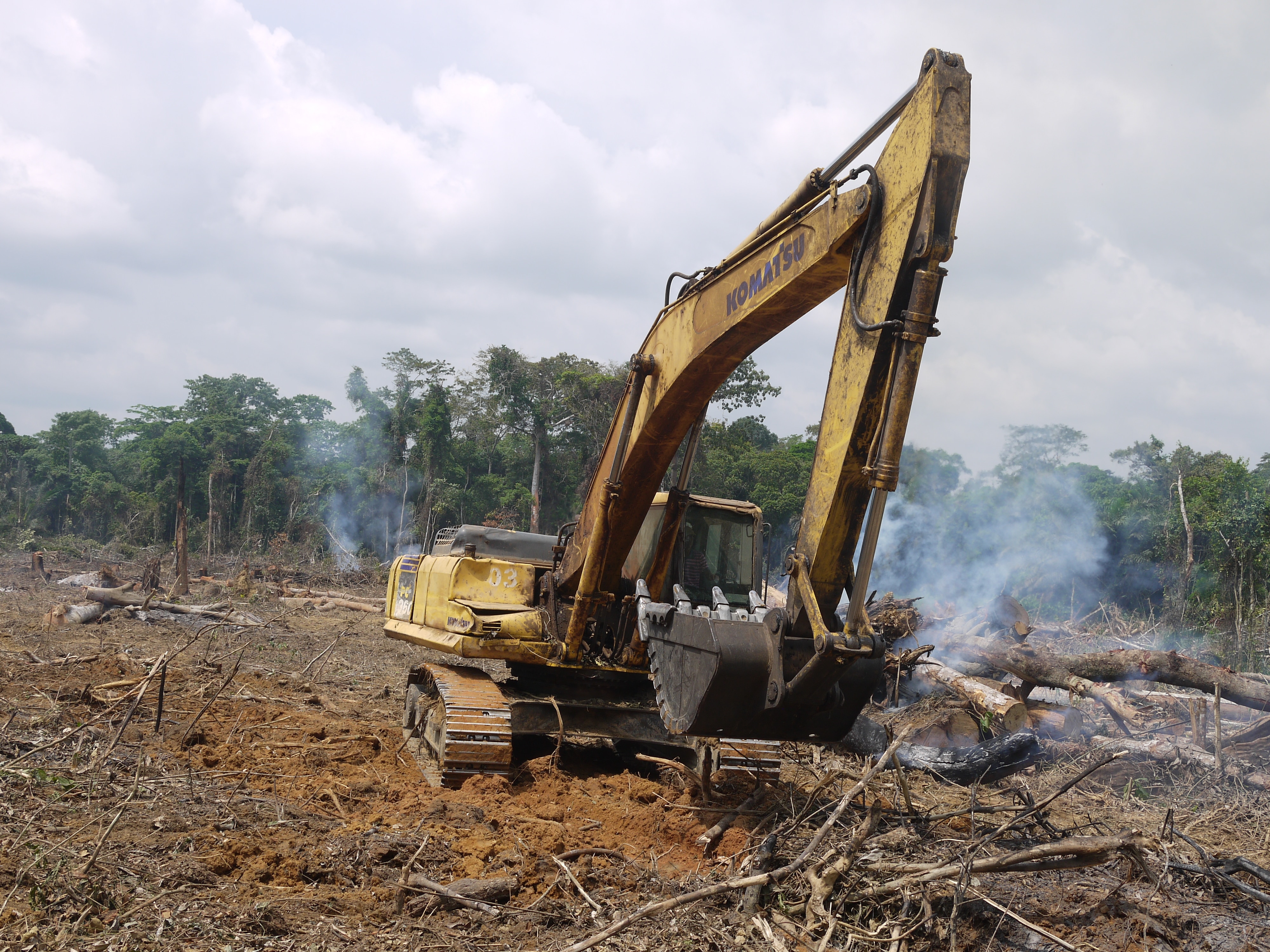
Roads the biggest threat to tropical forests
Easy access to tropical forests via modern highways encourages rapid colonisation, land grabbers, illegal logging, illegal gold mining and animal poac...
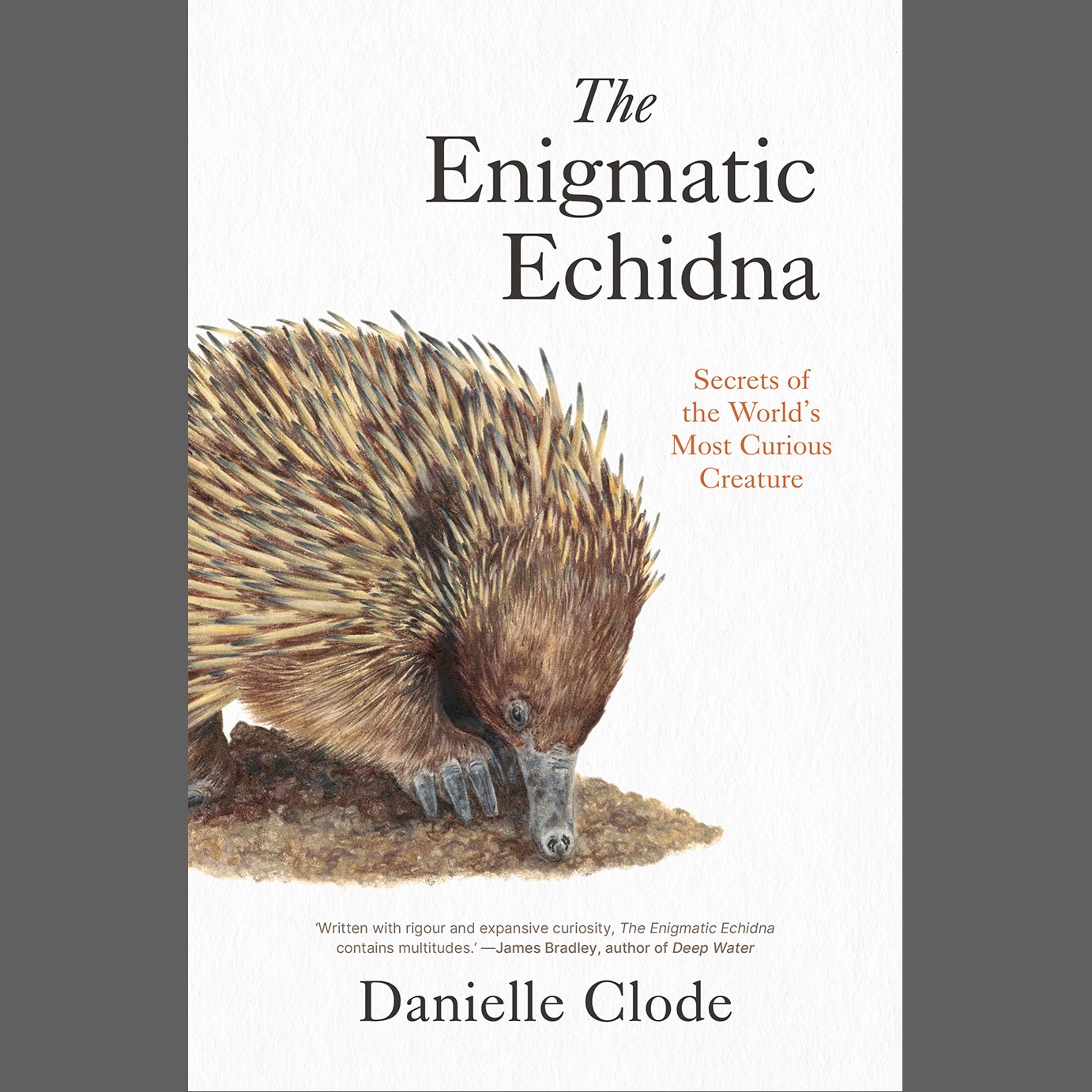
Echidnas – not only spiky, but strong with a large brain
Not a leftover of evolution but a marvel – Danielle Clode celebrates the enigmatic echidna.
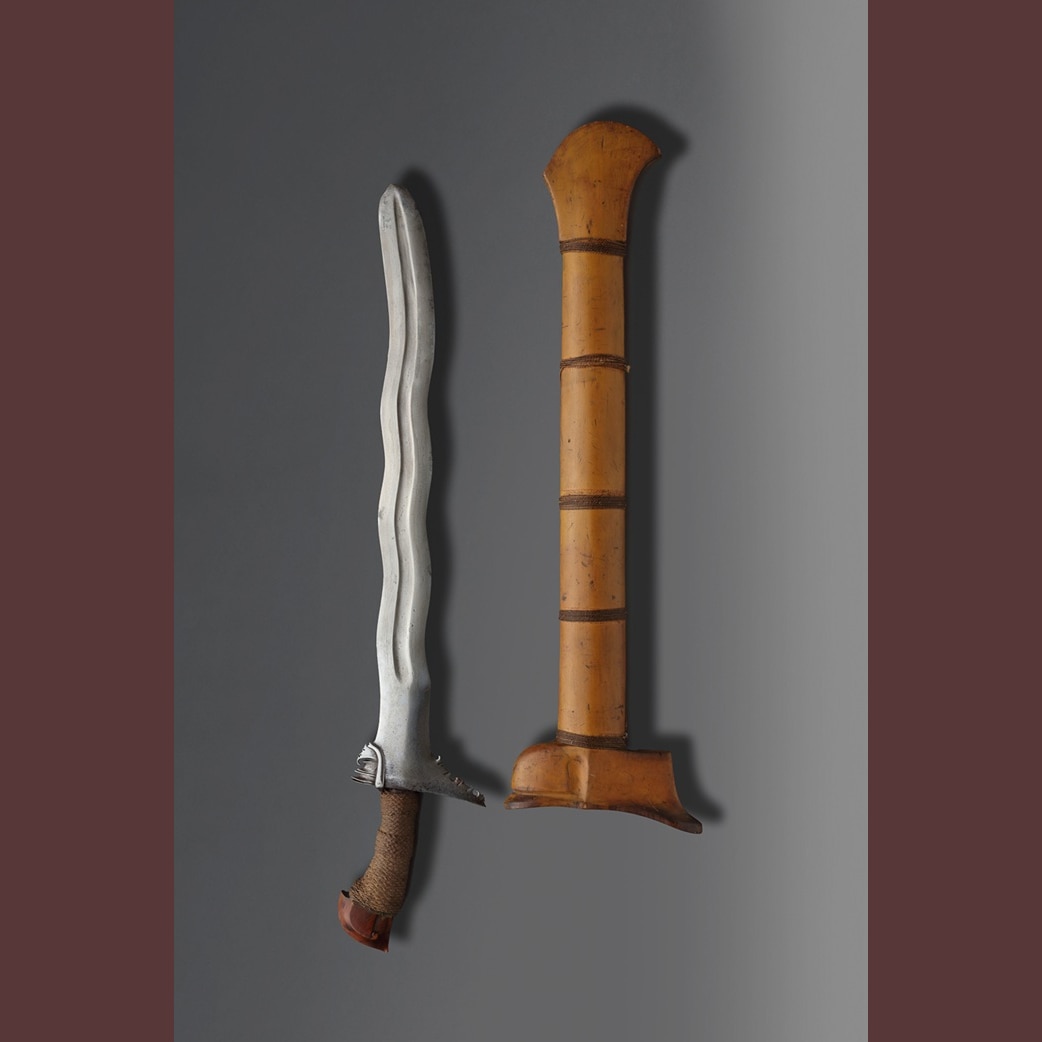
The sword linking Filipino pirates to Lord Nelson
Archaeologist Adam Brumm pieces together the story of a rare artefact, a fighting sword likely used by South-East Asian pirates, which appeared in Bri...

Can AI talk whale?
A panel discussion from the Australian National Maritime Museum explores the use of AI tools in ocean research.
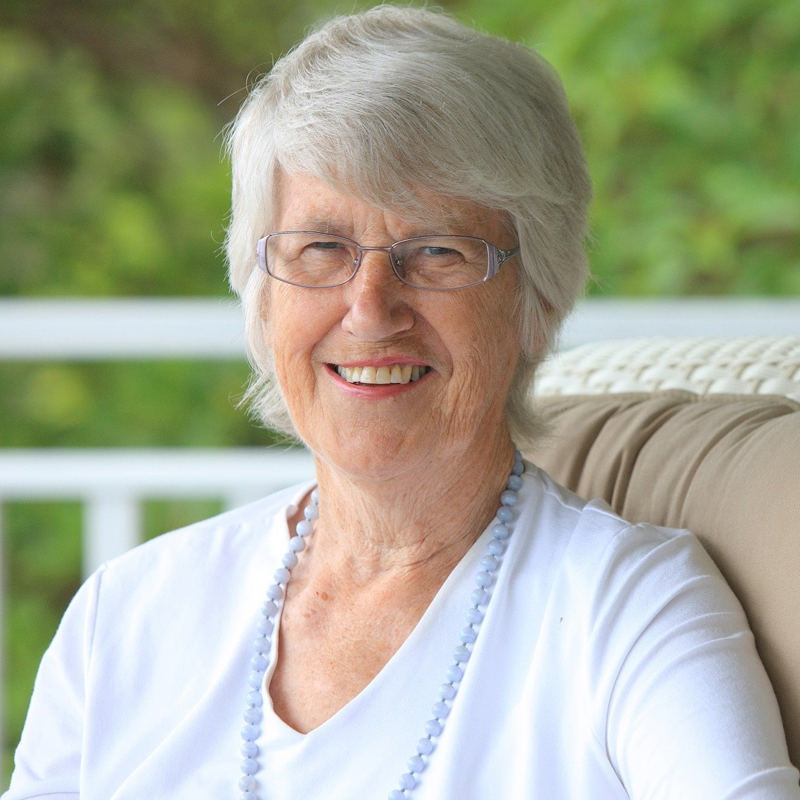
Vale Bridget Ogilvie
Dame Bridget Ogilvie from Glen Innes in NSW was a renowned parasitologist and former director of the Wellcome Trust in the UK. She died in April.
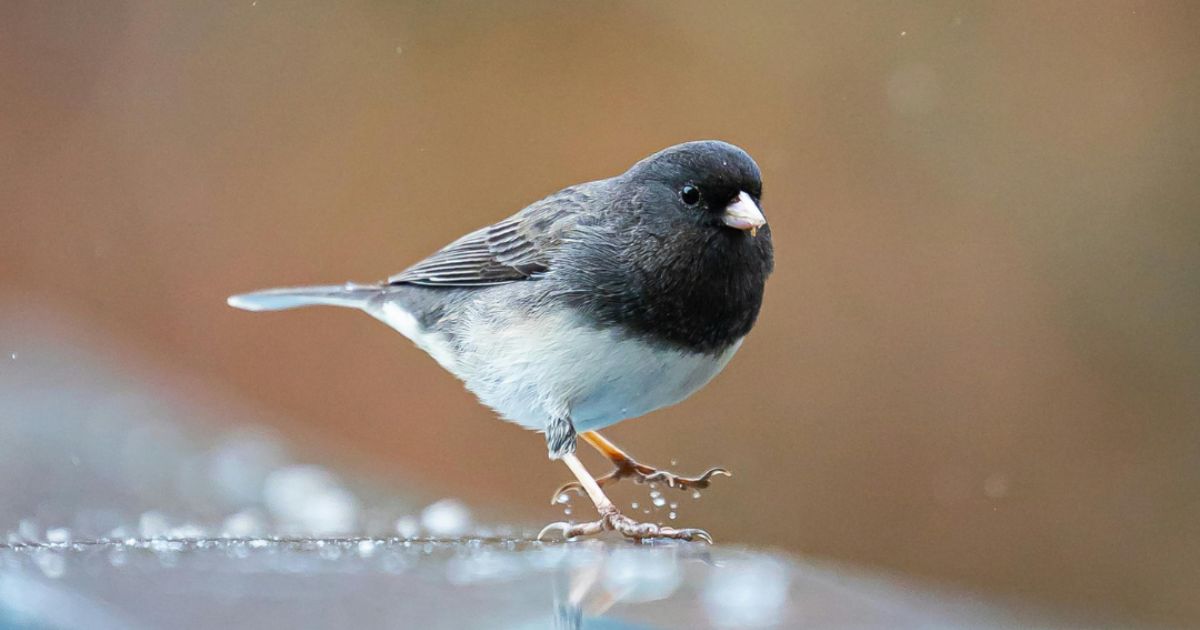
Evolution on campus – and in your town
Birds on a US university campus have been seen to change in response to being fed. Evolution in front of our eyes.
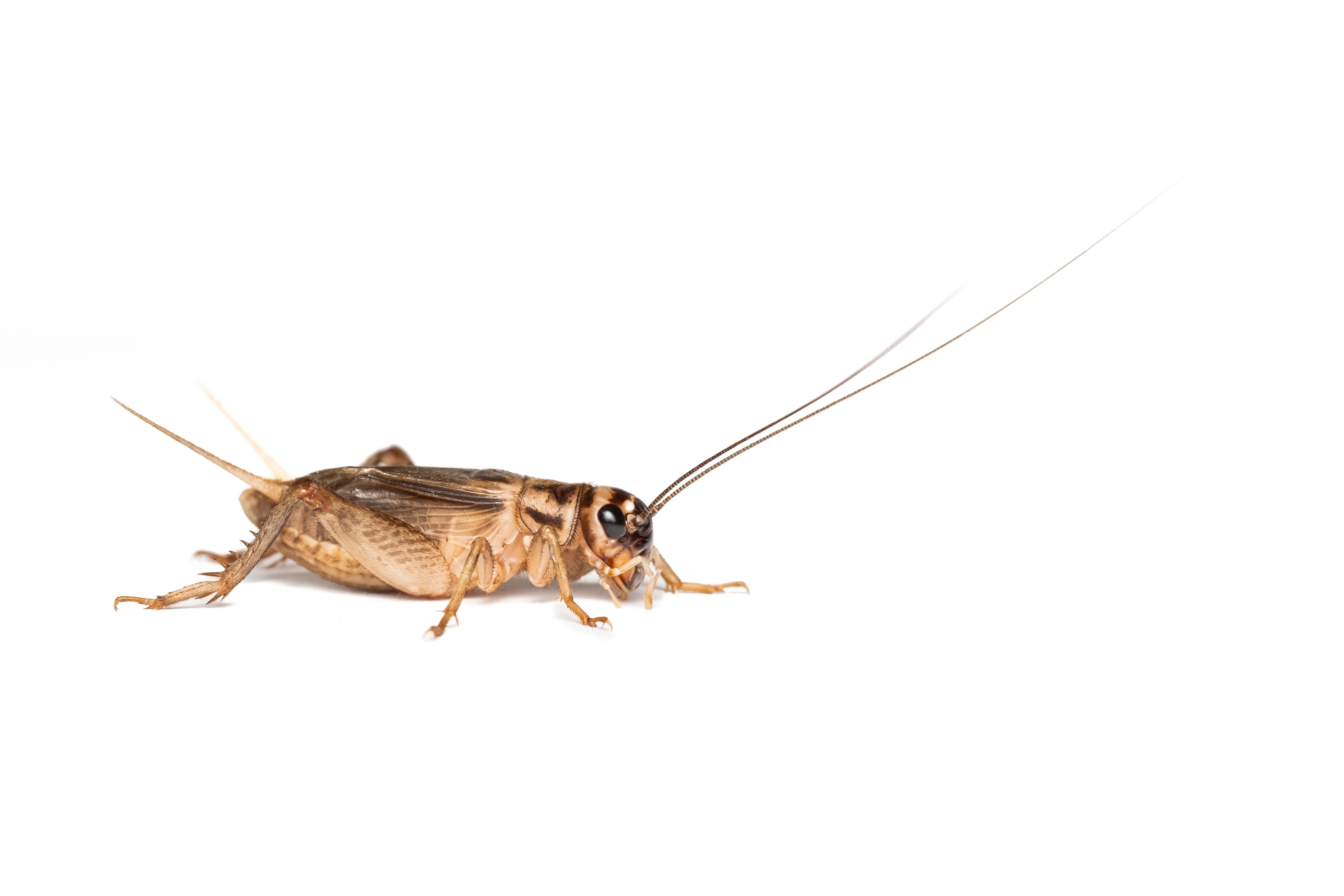
Do crickets feel pain?
A cricket attends to a damaged antenna. Is that a true indication of pain?
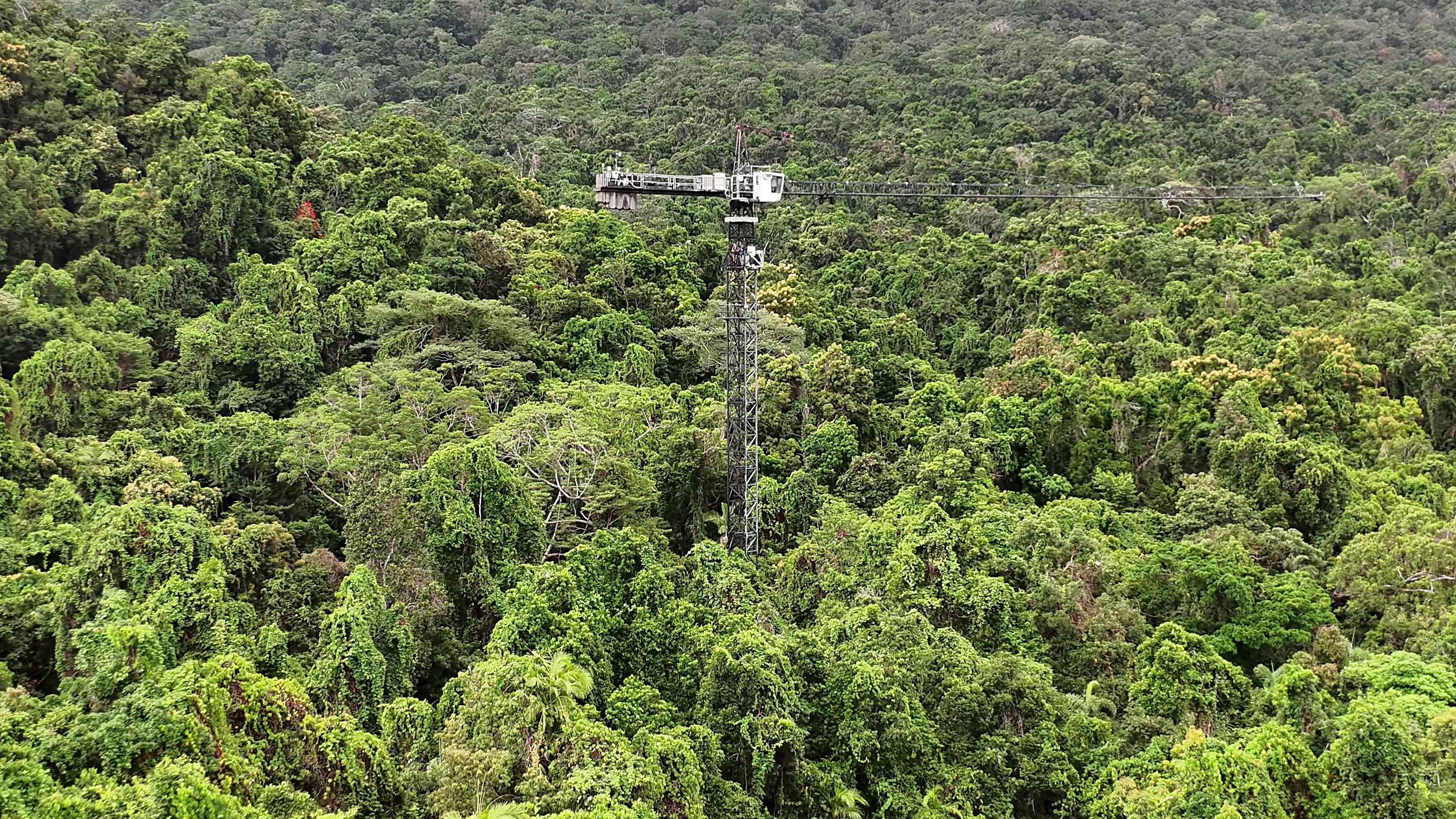
Restoring the Daintree rainforest
Logging in the Daintree rainforest in Far North Queensland began in the 1890s. Recently it has been impacted by dairying. Susan Laurance describes the...
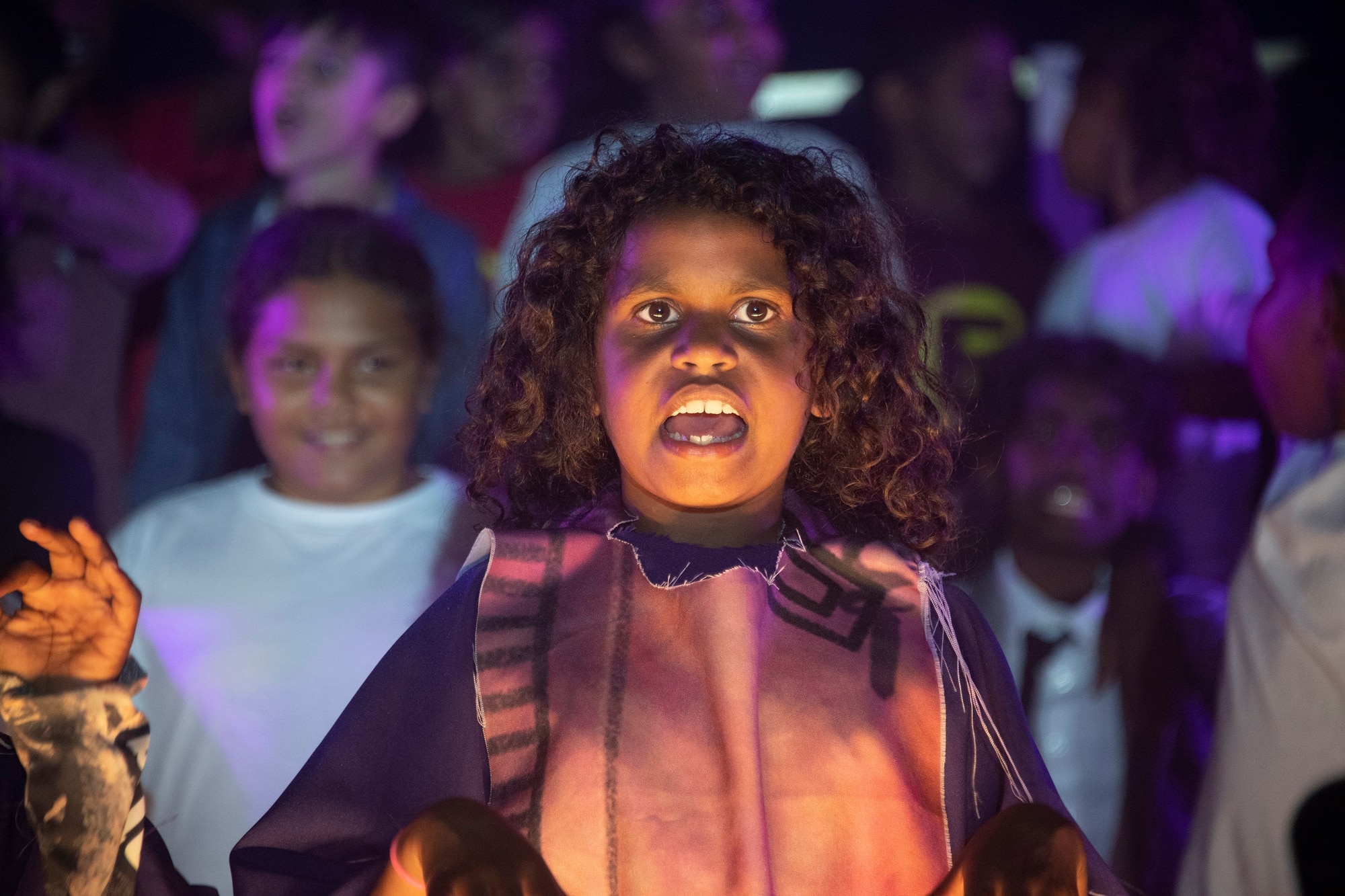
E=mc2: an equation, a book and a musical for schools
Based on David Bodanis’s book, E=mc2 The Musical introduces students and audiences to the human story behind the famous equation.
Olympics sex testing will not produce conclusive results
Rare variations exist making an IOC gene test for sex imperfect.
Epilepsy pioneer elected 21st president of the Australian Academy of Science
This month Sam Berkovic becomes the 21st president of the Australian Academy of Science. He chats with Robyn Williams about the challenges for science...
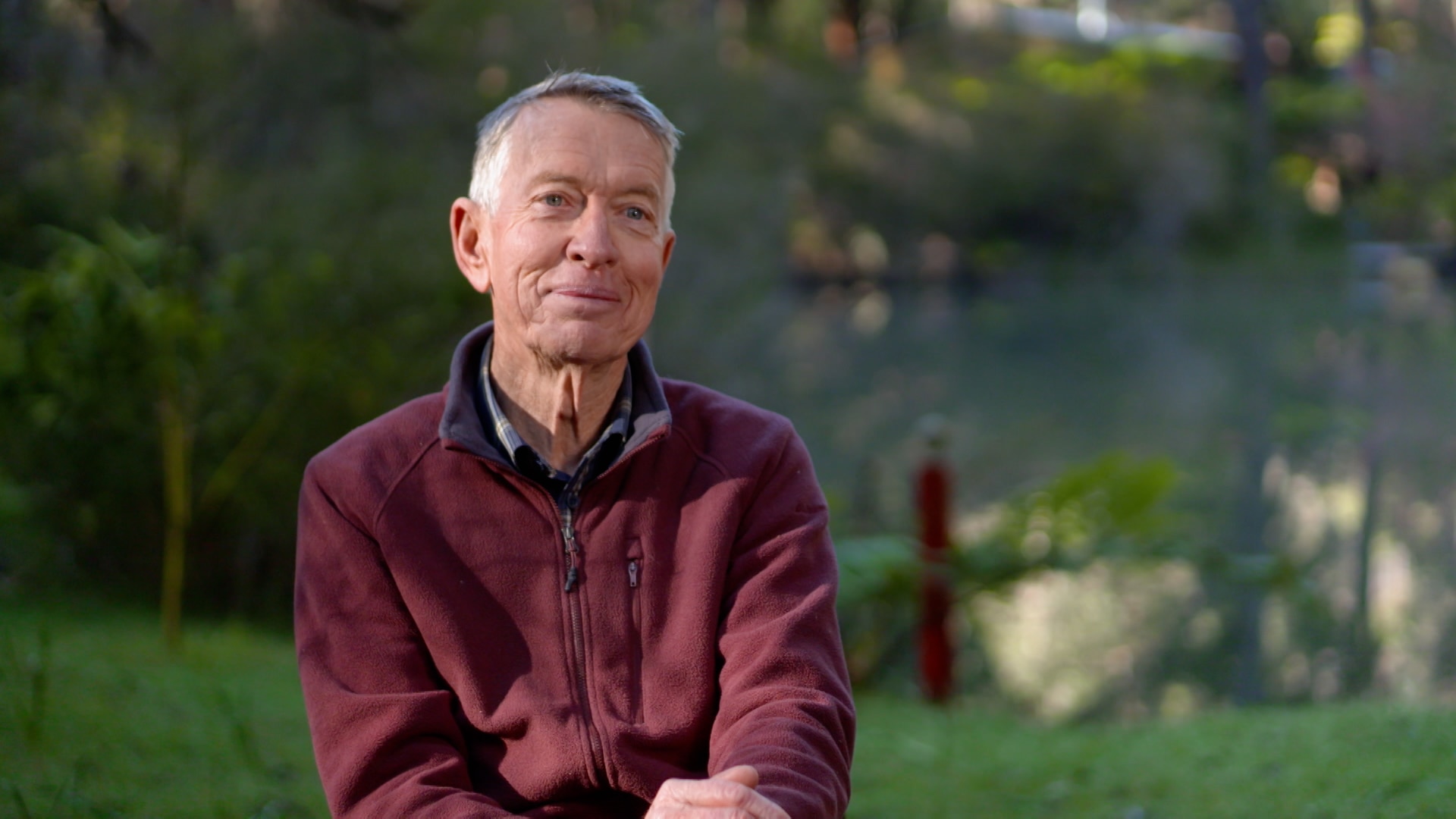
Kingsley Dixon shares his love for botany and the environment
Despite losing his vast garden to bushfire, Kingsley Dixon, like the environment, is resilient and is bouncing back.
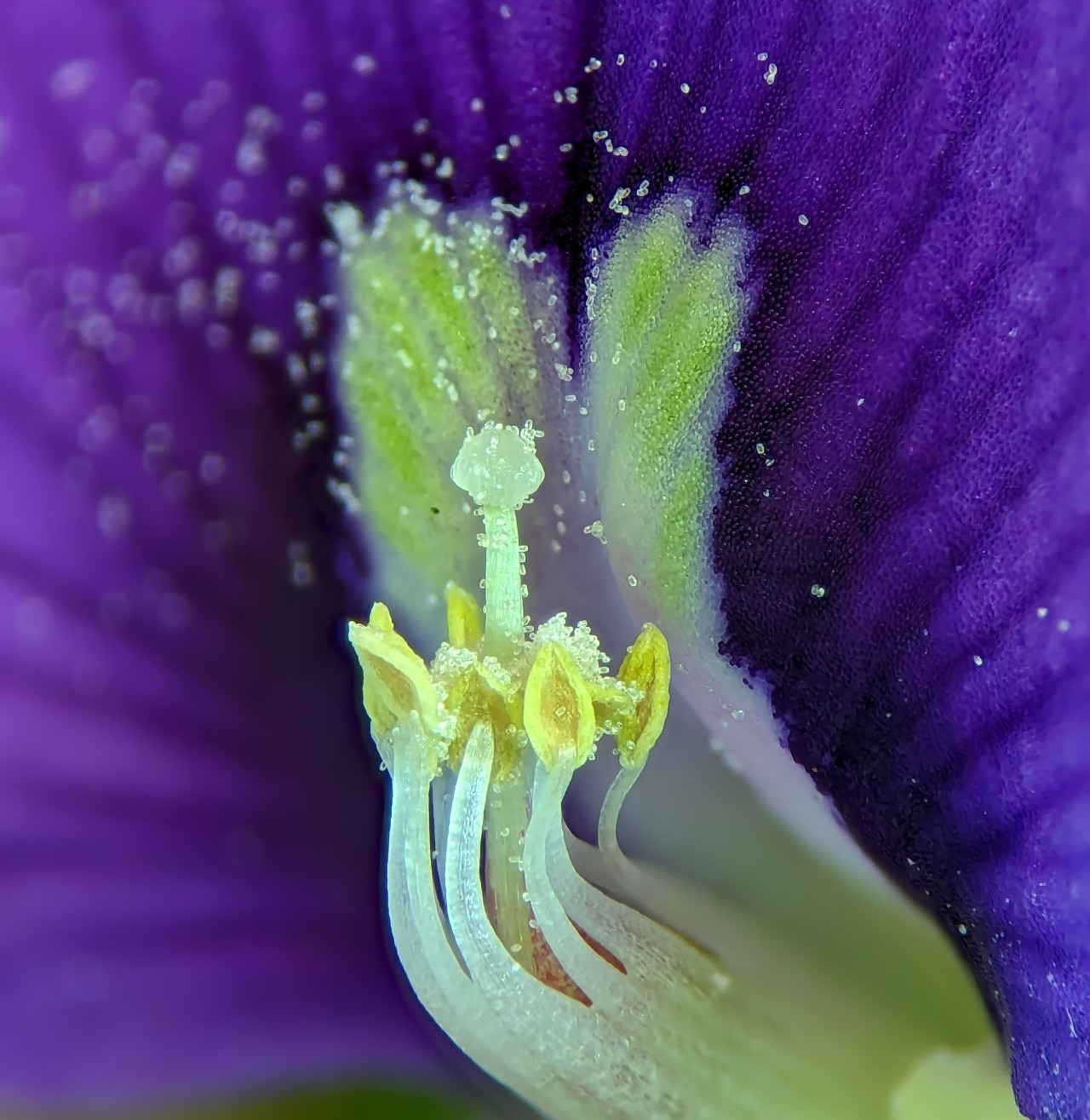
The ins and outs of pollination
Plants have devised a great many ways of exchanging genes, creating seed, and ensuring the continuation of each species. Chantelle Doyle introduces us...
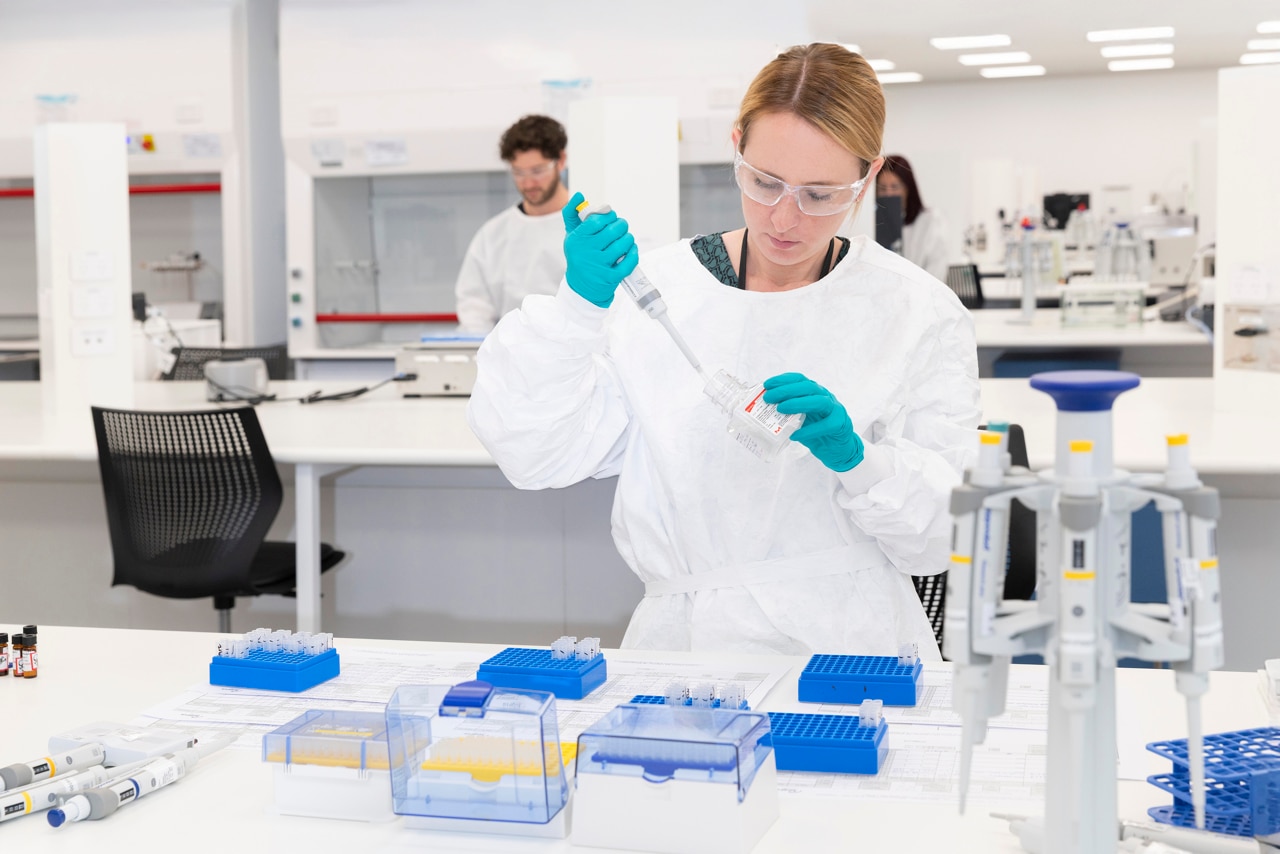
Preparing for the next pandemic
Karen Laurie at CSL Seqirus describes the steps which would lead to vaccine manufacture.
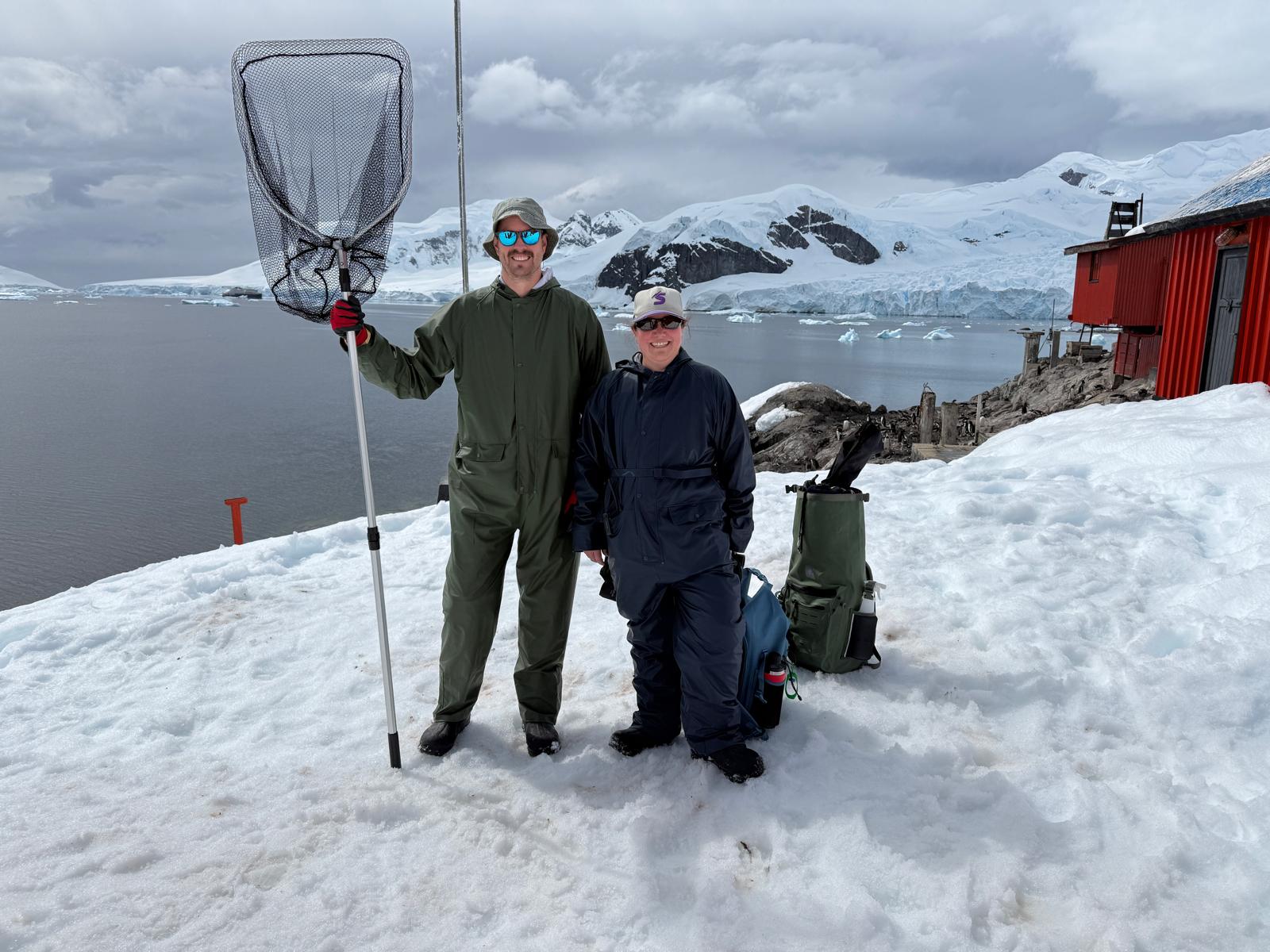
Bird flu moving around Antarctica, Australia threatened
Avian influenza H5N1 is leaving a heavy impact around Antarctica. It is now on Heard Island with fears it will be on Macquarie Island and before too l...
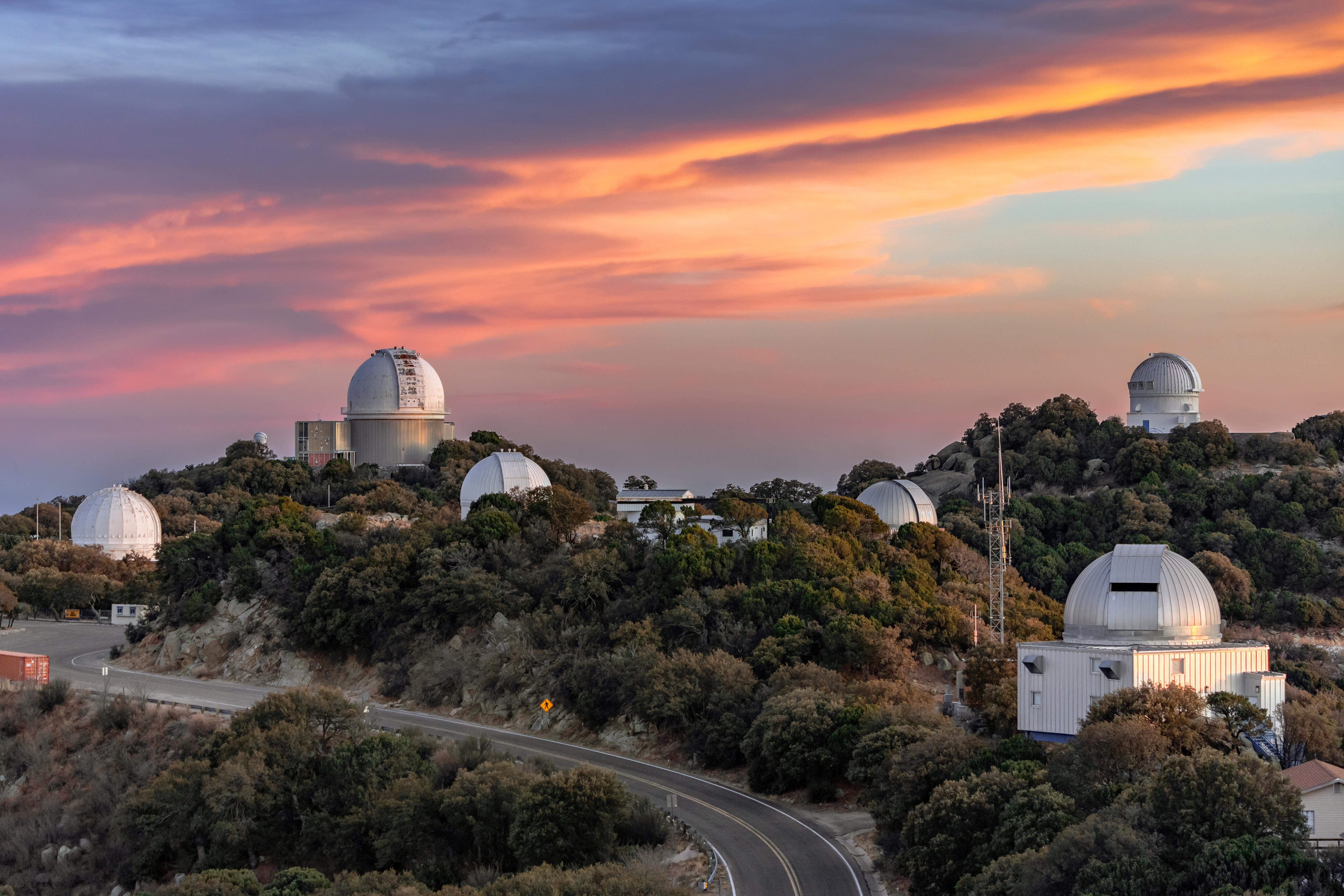
Dark energy – is it running down?
The Kitt Peak National Observatory in Arizona has mapped five million extra galaxies. Could this, finally, solve the dark energy problem?
Budget implications for science and research
Belinda Smith reports on how science and research fare following the federal budget brought down this week by treasurer Jim Chalmers.
Lab Notes: Can AI chatbots make you delusional?
Stories of AI chatbot users drifting from our shared reality are increasingly common, often described as cases of AI delusions, delusional spirals, or...
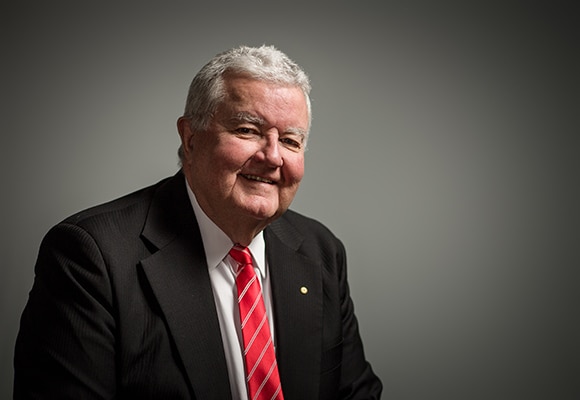
Ambitious Australia
Ian Chubb discusses the Ambitious Australia review he led into research in Australia.
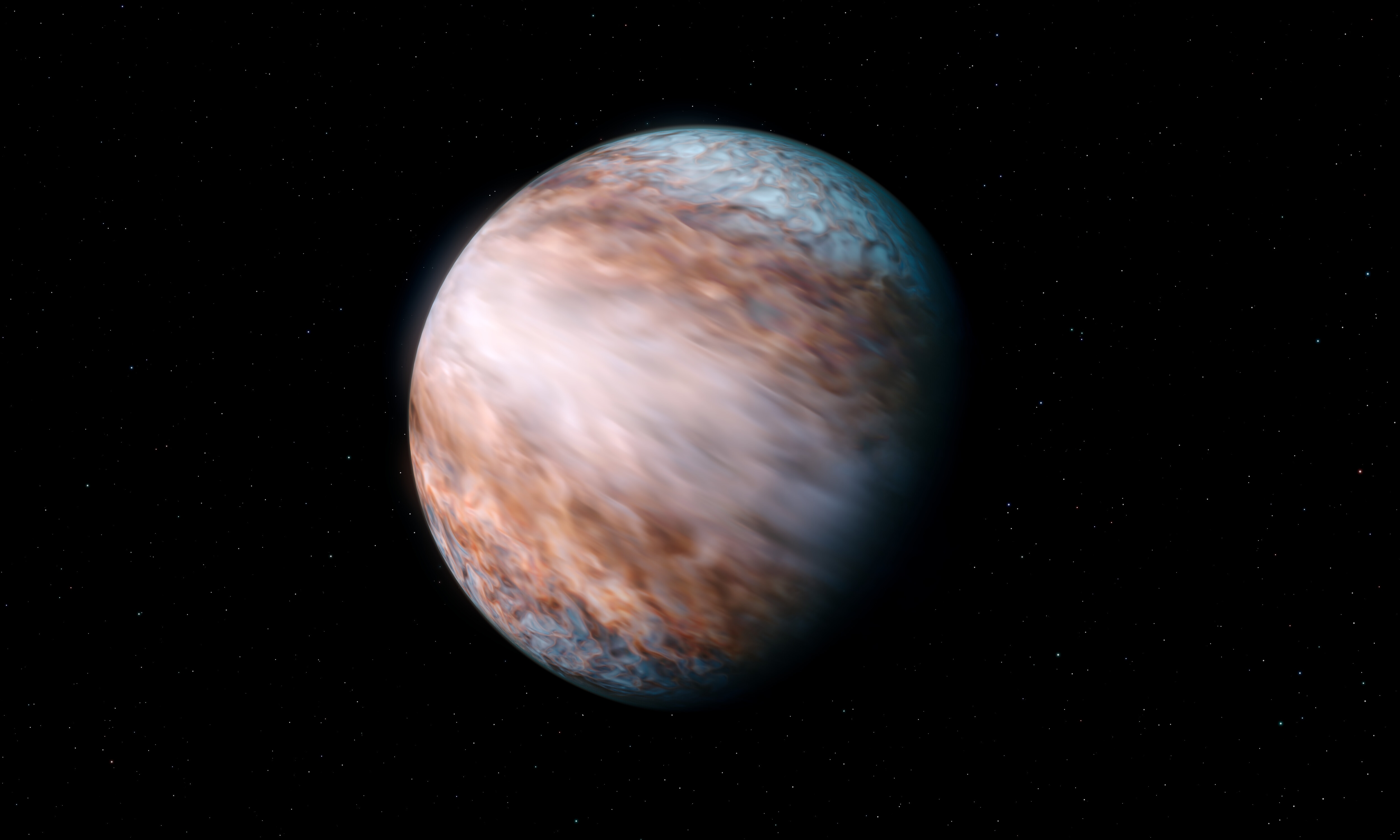
Monster winds on alien worlds
Winds are so fast on distant planets they’d blow your socks off.

Vaccines from mammal cells
Since the 1940s, vaccines have been made using the eggs of chickens. A new process uses cells from a dog. Belinda Smith finds out more.