
Science Quickly
Channel Details
Science Quickly
Host Rachel Feltman, alongside leading science and tech journalists, dives into the rich world of scientific discovery in this bite-size science variety show.
Recent Episodes
1914 episodes
Ebola update, World Cup heat risks, dad brains
In this episode of Science Quickly, we start with a quick update on the Ebola outbreak surging in parts of Africa. Host Rachel Feltman is then joined...

How common viruses could quietly raise your cancer risk
In this episode of Science Quickly, one of SciAm’s Young American Scientists, biologist Jaye Gardiner, explores how common viral infections may raise...

The neuroscientist decoding how the brain learns
In this episode, host Rachel Feltman interviews neuroscientist Kauê M. Costa, who is among Scientific American’s inaugural cohort of Young American Sc...

From aspiring actress to NASA astrophysicist
In this episode of Science Quickly, host Rachel Feltman interviews NASA astrophysicist Erini Lambrides about her unconventional journey from pursuing...

Disclosure Day and the science of alien language
In the new movie Disclosure Day, aliens communicate through a series of strange clicks and pops. But what could an alien language actually be like? In...

The science of World Cup grass
In this episode of Science Quickly, we explore the science behind preparing natural grass for the 2026 International Federation of Association Footbal...

What’s in a name? When it comes to PCOS, a lot
In this episode of Science Quickly, host Rachel Feltman interviews physician Anuja Dokras about the long road to changing the name of the condition PC...

The math behind your daily annoyances
From the mystery of why elevator waits feel endless to the surprisingly tricky problem of splitting a pizza (or even a sandwich) fairly, this episode...

Why this Ebola outbreak is so different
In this episode of Science Quickly, host Rachel Feltman and Scientific American senior desk editor for health and medicine Tanya Lewis break down the...

You think you’re using your phone. It’s using you back
In this episode of Science Quickly, author Vanessa Chang discusses her book The Body Digital: A Brief History of Humans and Machines from Cuckoo Clock...

Can we build a world that works for all?
In this episode of Science Quickly, host Rachel Feltman interviews leading thinker Jeremy Lent about his latest book Ecocivilization: Making a World T...

The fake disease that fooled AI
Have you ever turned to an artificial intelligence chatbot for medical advice? In this episode of Science Quickly, host Rachel Feltman speaks with res...

Nukes on the moon?
In this episode of Science Quickly, host Rachel Feltman speaks with science journalist Robin George Andrews about NASA’s push to put a nuclear reactor...

Hantavirus update, PCOS name change, ‘cheeky’ fish behavior
In this episode of Science Quickly, we get the latest on the hantavirus outbreak with Tanya Lewis, Scientific American’s senior desk editor for health...

Why Black women face a silent health crisis
In this episode of Science Quickly, gynecologic oncologist and health equity researcher Kemi Doll explains why the well-known Black maternal mortality...

Do you actually need more protein? What the science says
Protein is having a major moment, showing up in everything from snack foods to coffee drinks—but do we actually need more of it? In this episode of Sc...

Influencers are obsessed with peptides. What does the science say?
Peptides are everywhere right now—from weight-loss drugs to TikTok wellness hacks—but the science hasn’t caught up with the hype. Journalist Victoria...

Scorpion stingers, preeclampsia hope, canceled wind farms
In this week’s Science Quickly news roundup, we look at promising results from a new study about preeclampsia. We also cover the latest news about the...

The science of psychedelic therapy
In this episode of Science Quickly, host Rachel Feltman and science journalist Jane C. Hu trace the surprising journey of psychedelics in the U.S.—fro...

NASA Curiosity, suicide hotline hope, AI voice clone
In this week’s Science Quickly news roundup, we dive into NASA’s new discovery of organic molecules on Mars, including some that have never been found...
Earth Day special: How to save the planet (again)
In this special Earth Day episode of Science Quickly, host Rachel Feltman turns to three environmental experts for a healthy dose of climate hope. Cli...

Why birds outlived T. rex
Birds are the only dinosaurs who managed to survive the asteroid impact that wiped out 75 percent of all species 66 million years ago. But how did the...

Artemis II returned safely from the moon—but was it worth it?
In this episode of Science Quickly, we unpack NASA’s Artemis II mission after its safe return from lunar orbit, asking what the long‑awaited comeback...

Alexis Hall turns Moby-Dick into a wild sci‑fi adventure
In this episode of Science Quickly, author Alexis Hall discusses Hell’s Heart, their sci‑fi reimagining of Moby-Dick. Hall dives into how a lockdown r...
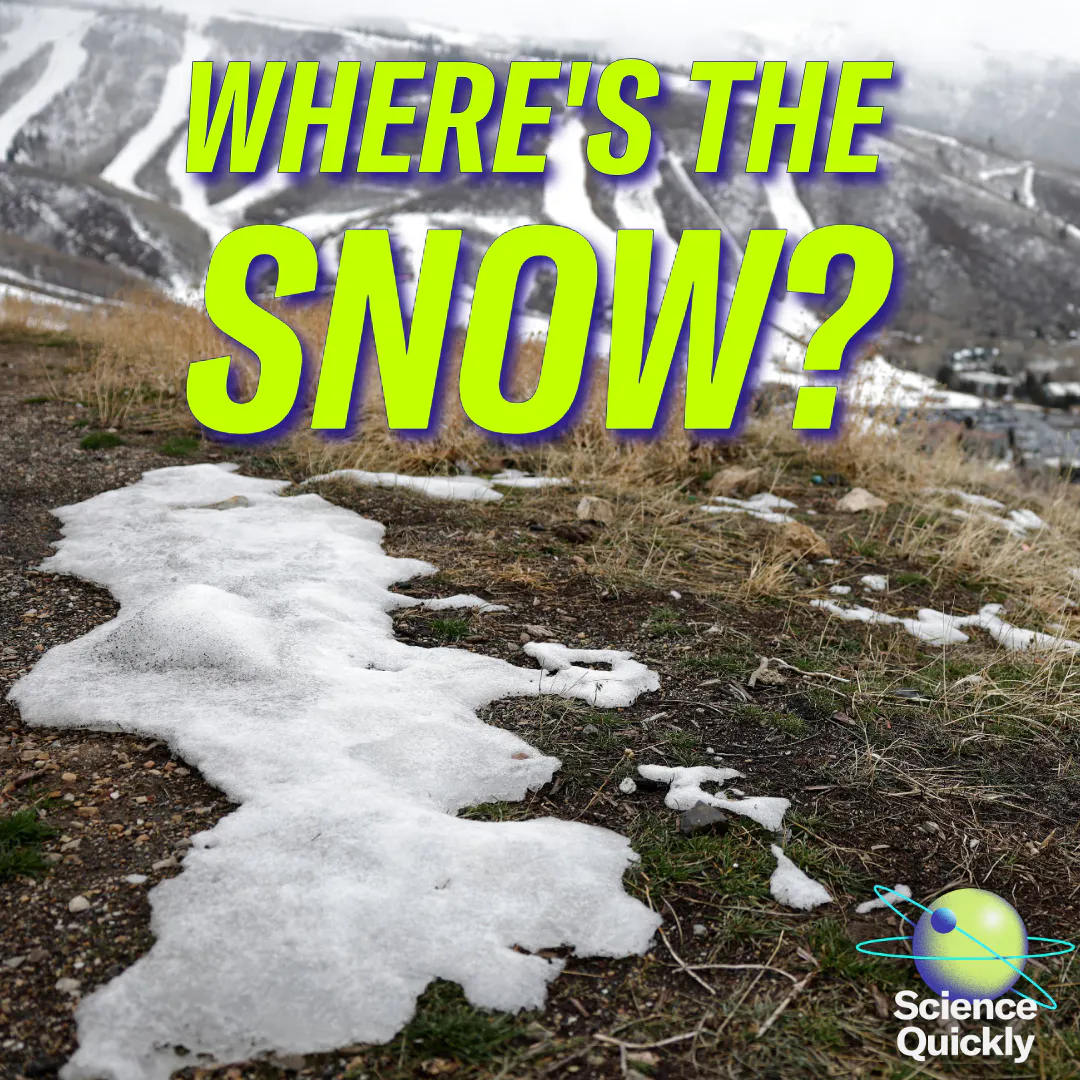
Artemis II, endangered species and oil, snowpack crisis
In this episode of Science Quickly, we give you a quick update on NASA’s Artemis II moon mission before digging into a move by the Trump administratio...

How RFK, Jr.’s beliefs echo a troubling ideology
The U.S. Department of Health and Human Services is responsible for protecting the health of the American people. But over the past year, it has taken...

Michael Pollan explores consciousness, AI and the brain
In this episode of Science Quickly, journalist Michael Pollan joins Scientific American’s Bri Kane to unpack why consciousness is so hard to define in...

A tech journalist, some hot dogs and an AI hoax
In February the BBC’s Thomas Germain became the world’s “best tech journalist at eating hot dogs”—at least, that’s what ChatGPT and Google Search’s “A...

Women’s heart health, Artemis update, postbirthing vitamins for reindeer
In this episode of Science Quickly, we’ll unpack a worrying prediction for women’s heart health that says nearly 60 percent of women in the U.S. will...
A teen, an algorithm and the race to stop poaching
In this episode of Science Quickly, freelance wildlife writer Melissa Hobson investigates how a 17‑year‑old’s breakthrough artificial-intelligence-bas...

The science behind polyamory
In this episode of Science Quickly, we explore what research reveals about polyamory, how multipartner relationships actually function and why communi...

New dino, vaccine shake-ups, dirty air risks
In this Science Quickly news roundup, we look at the Food and Drug Administration’s surprising change of heart on reviewing Moderna’s mRNA flu shot, a...

The surprising enigma of slippery ice
Many of the events in the Winter Olympics involve some sort of sliding or slipping on ice—in a skillful, controlled way. Those moves often seem effort...

Can AI keep Alzheimer’s patients safe at home?
In this episode of Science Quickly, multimedia journalist Meghan McDonough explores how emerging artificial-intelligence‑powered “smart home” tools ar...

Trump’s climate rollback, this wild winter and ‘Penisgate’
In this episode of Science Quickly, we unpack the Trump administration’s move to repeal the Environmental Protection Agency’s “endangerment finding” a...

The evolutionary riddle of the kiss
With Valentine’s Day around the corner, kissing may be on your mind. But why do we kiss? In this episode of Science Quickly, evolutionary biologist Ma...
How Heated Rivalry nailed its Russian
In this episode of Science Quickly, hosts Kendra Pierre-Louis and Allison Parshall dive into the surprising linguistics behind the hit TV series Heate...
Rhythm babies, rocket delays, solar fireworks
In this episode of Science Quickly, we dive into NASA’s latest headaches as the Artemis II moon mission hits delays. We also take a look at a massive...
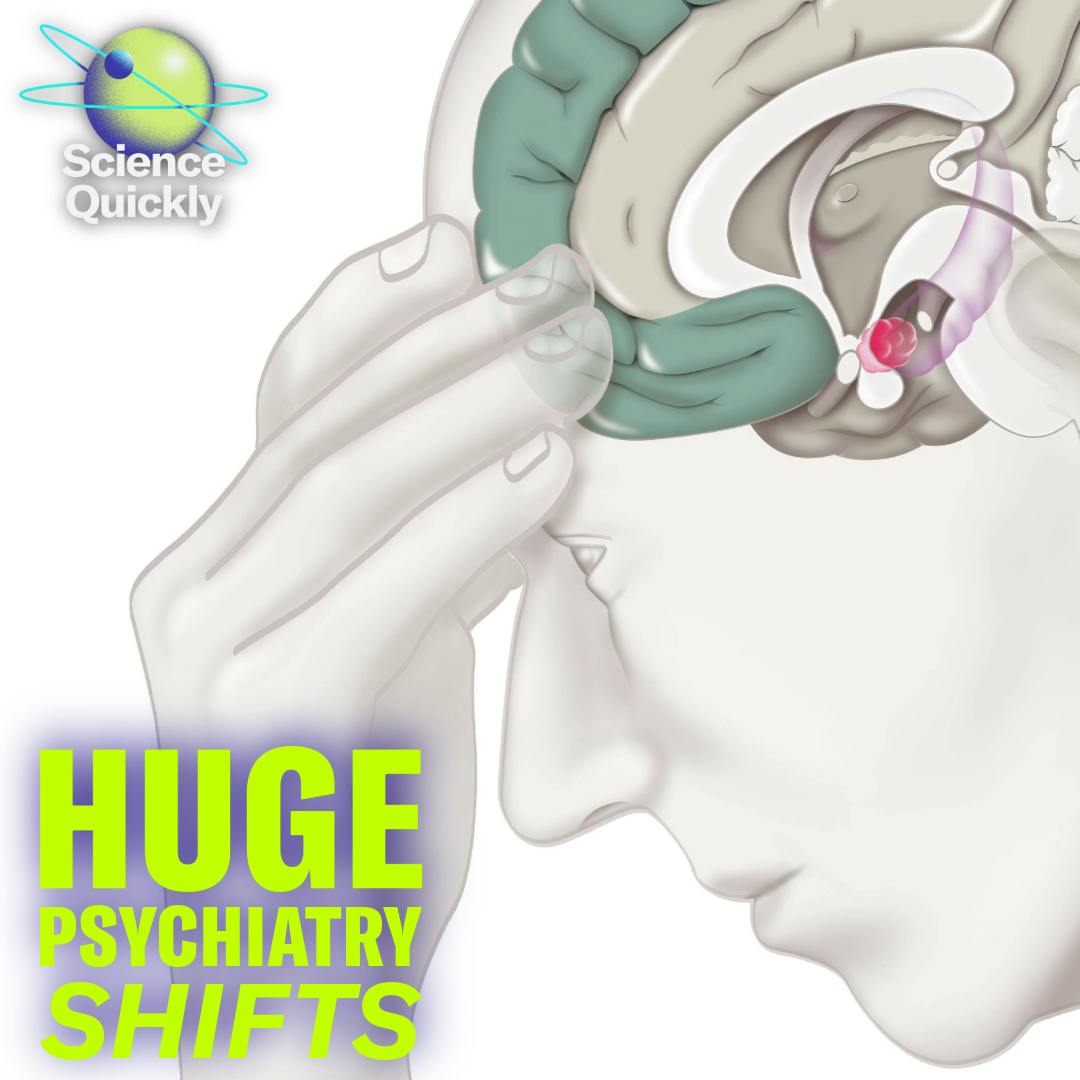
Psychiatry’s playbook is about to get torn up
In this episode of Science Quickly, we dig into a brewing shake-up inside psychiatry as the American Psychiatric Association considers sweeping change...
The curious case of the nonburpers
Can you imagine not being able to burp at all? In this episode of Science Quickly, we dive into the little-known but surprisingly serious “no burp” sy...