
KERA's Think
Channel Details
KERA's Think
Think is a daily, topic-driven interview and call-in program hosted by Krys Boyd covering a wide variety of topics ranging from history, politics, current events, science, technology and emerging trends to food and wine, travel, adventure, and entertainment.
Recent Episodes
340 episodes
The unbreakable bond of found family
Unraveling the history of the Jim Crow South, personal stories are interwoven with humor and heartbreak. Tayari Jones is an author and C.H. Candler Pr...
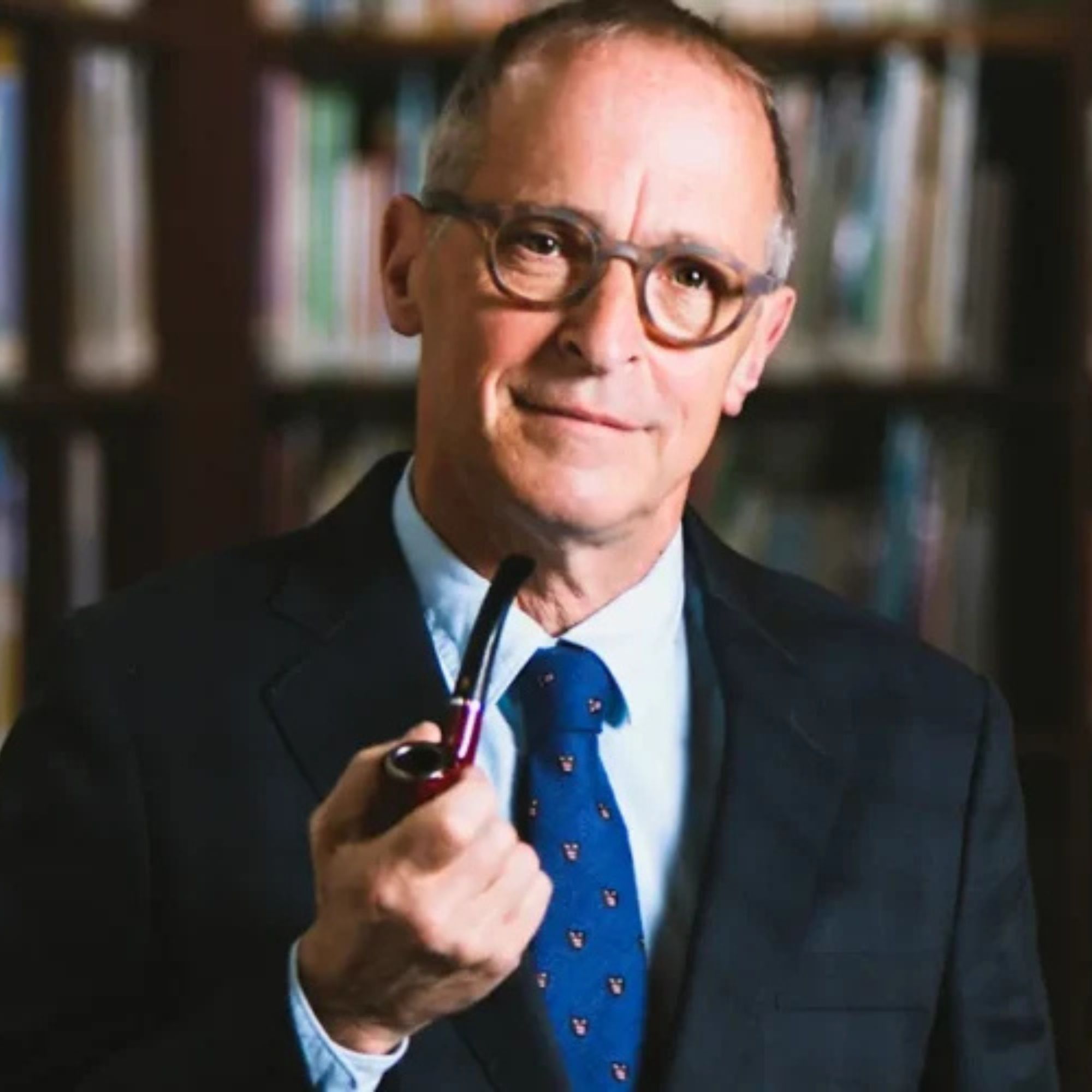
David Sedaris on the absurdity of aging
When you have the natural curiosity of David Sedaris, ordinary observations turn into moments of humor and humanity. The best-selling author joins hos...

Is America a bad neighbor?
America has long enjoyed a relatively calm home in North America, but President Trump’s recent moves could upend that stability. This hour, Krys Boyd...

Do nukes still prevent wars?
Nuclear weapons have long been thought to be deterrents for global warfare– are they still? Rose Gottemoeller is William J. Perry Lecturer at the Cent...
The joy of small moments
We often look for happiness in big, emotional moments but something as simple as touching grass can spark joy. Ian Bogost joins guest host Paige Phelp...
To understand class, check out a grocery store
Grocery stores serve as hubs for many communities, and you can learn a lot about how our society functions (or doesn’t) by looking closely at one. Ann...
Why adoption tourism is booming in Utah
Couples desperate to adopt often turn to underregulated for-profit adoption agencies. Filmmaker Gabrielle Glaser joins host Krys Boyd to discuss a sys...
George Washington never wanted to be president
The most reluctant politician we’ve ever had just happens to have been our first president. H.W. Brands is Jack S. Blanton Sr. Chair in History at the...
Team Jefferson or Team Hamilton? Their debate rages on
Founding Fathers Thomas Jefferson and Alexander Hamilton fought for independence and they also fought each other. Jeffrey Rosen, former president and...
Can American history be a source of pride or shame?
America’s history is a mix of pride and shame so how should we square those conflicting feelings? Yoni Appelbaum, deputy executive editor at The Atlan...
The revolutionary women who made America
The Declaration of Independence might’ve been written by men, but history was being made by women outside Independence Hall. Denise Kiernan, author,...
It's not easy being No. 2: The presidency of John Adams
George Washington may have set the standard for American presidents, but those precedents wouldn’t have mattered if John Adams hadn’t followed throug...

After the Flood: A Special Episode from Texas Newsroom and FRONTLINE
On July 4th, 2025, devastating floodwaters ripped through the Texas Hill Country, killing more than 130 people. After the Flood, a new podcast from th...
The surprising reason people name their cars
From our little fur babies to “Herbie” the car, we imbue the world around us with wonderous human-like qualities. Justin Gregg is senior research asso...
The fight over how we celebrate 250
Originally, America’s 250th birthday celebration was a bipartisan effort. Then President Trump took it over. Michael Scherer is a staff writer at The...

Should your pet be in hospice?
Hospice care is a good option for dying loved ones so why not pets? Dr. Sunita Puri is the author of “That Good Night: Life and Medicine in the Eleven...
India’s population boom goes bust
India has claimed the world’s largest population since 2023 but that is going to change fast. Tom Sasse, South Asia Bureau Chief for The Economist, jo...
Is modern politics beyond satire?
How do you write satire about an administration that is already over the top? Award-winning author Ben Fountain joins host Krys Boyd to discuss his wi...

The U.S. state that could of been a Black utopia
After the promises of Reconstruction began to wither, Black Americans searched for freedom in radically different locales. Caleb Gayle is a journalis...
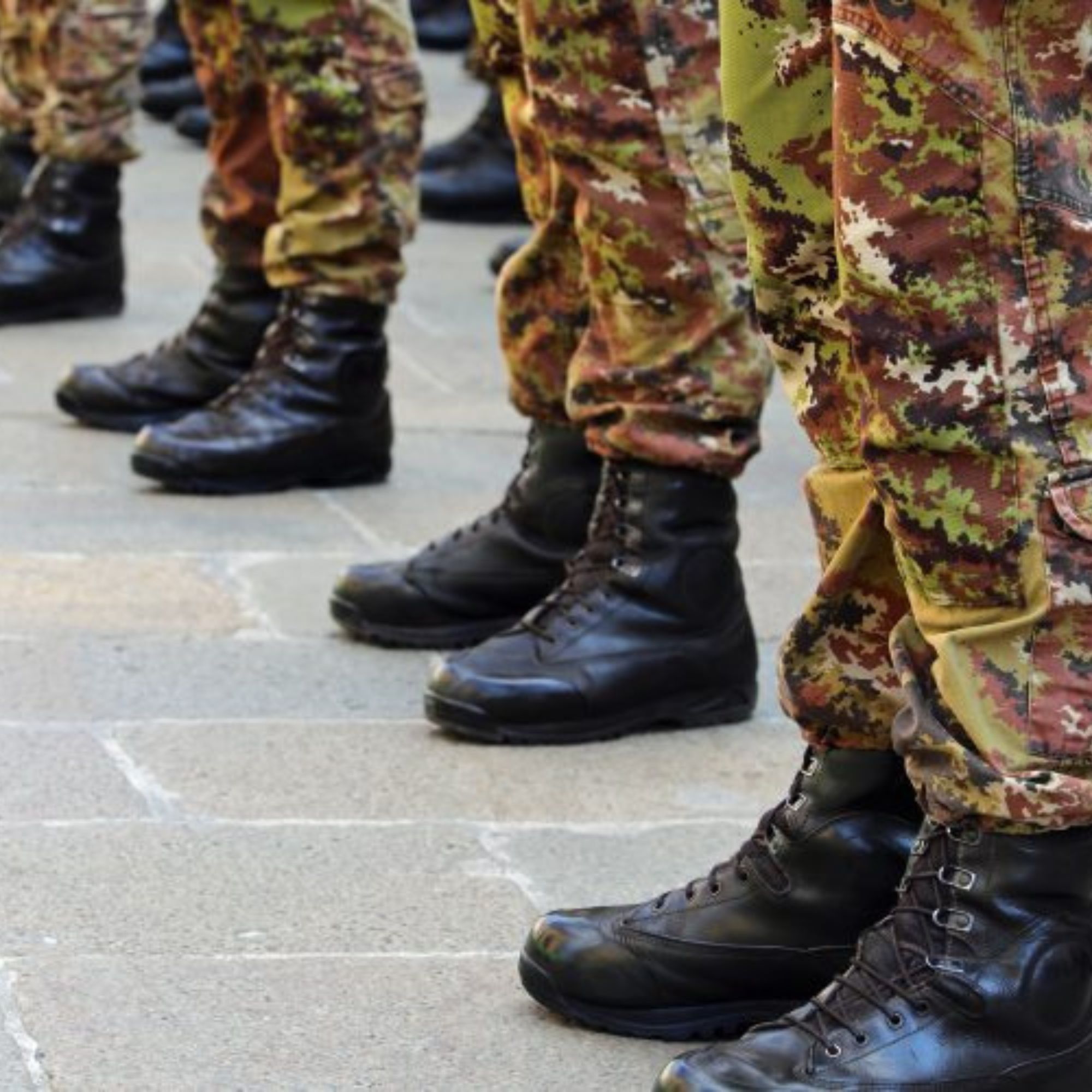
The DOD’s war on diversity
Defense Secretary Pete Hegseth has again blocked promotions for Black servicemen a pattern within the administration. Clint Smith, staff writer at The...

Is heterosexuality over?
Dating should be fun, but single, straight people are finding it a drudgery or even worse cringe. Magdalene J. Taylor, senior editor at Playboy, joins...
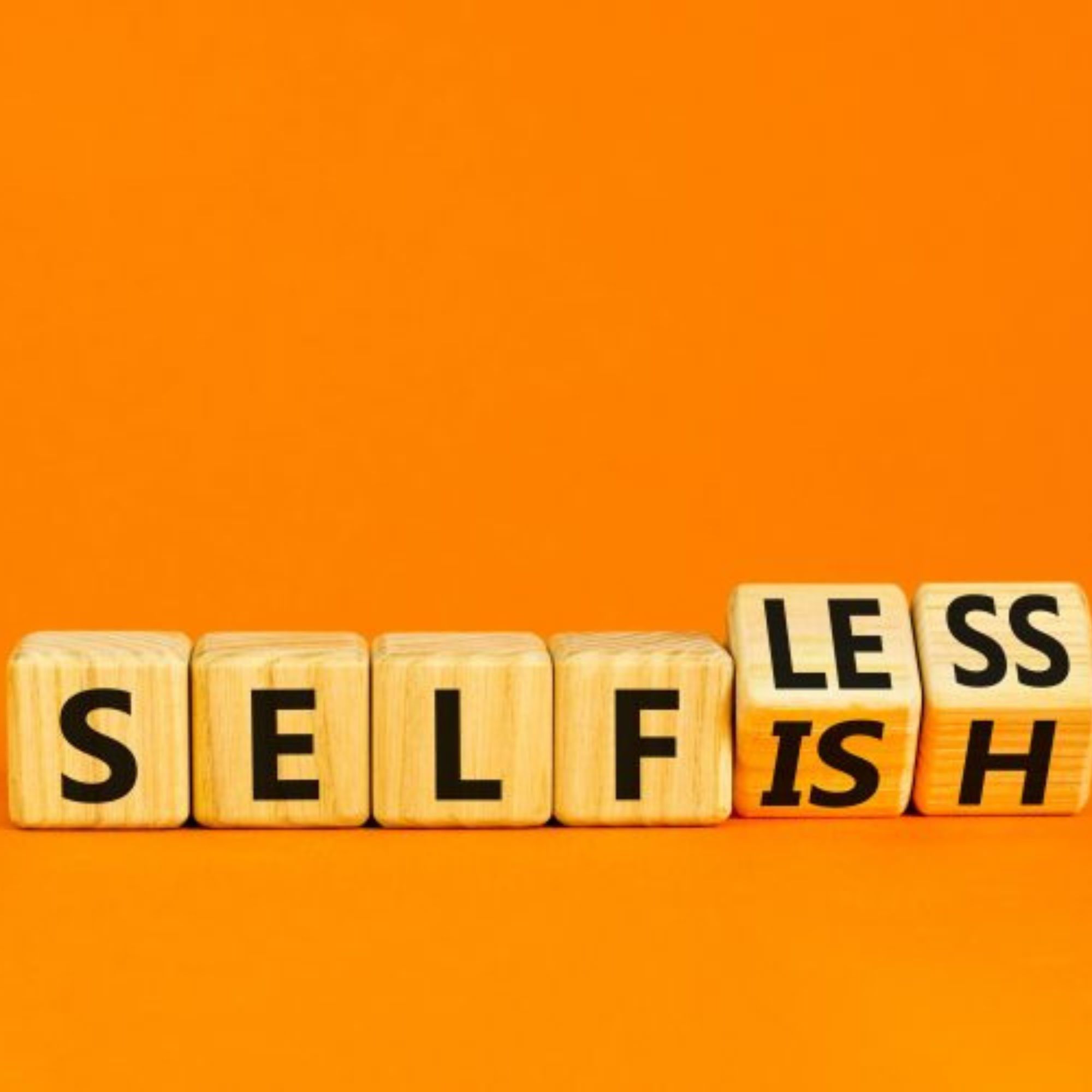
Did we evolve to be selfish ?
The common evolutionary question centers around nature vs. nurture, but maybe we should be asking if we are designed to cooperate or compete? Jonathan...
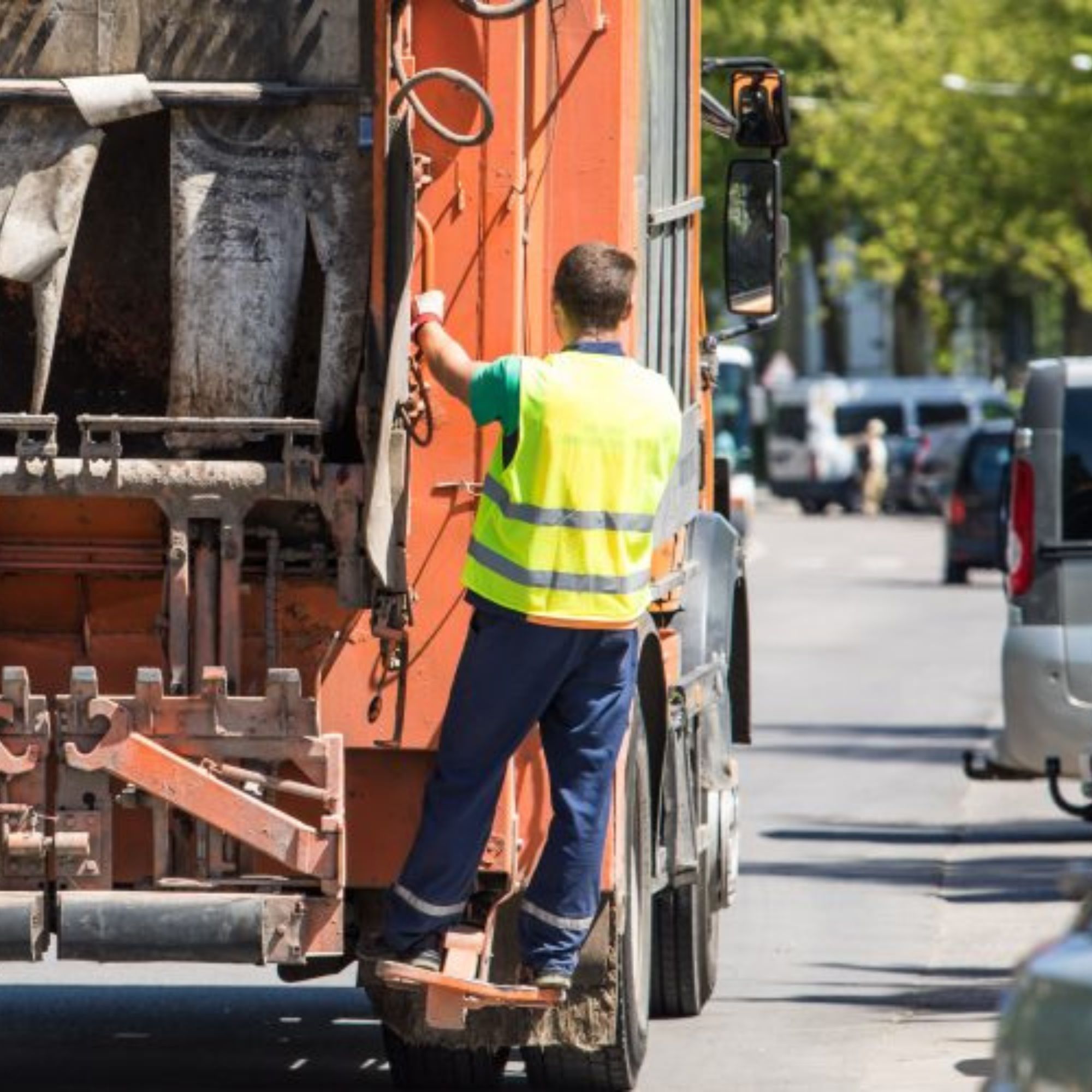
The city through the eyes of a garbage collector
Imagine what you can learn about a city by picking up the garbage of the people who live there. Simon Paré-Poupart, a sociologist and garbageman in Mo...
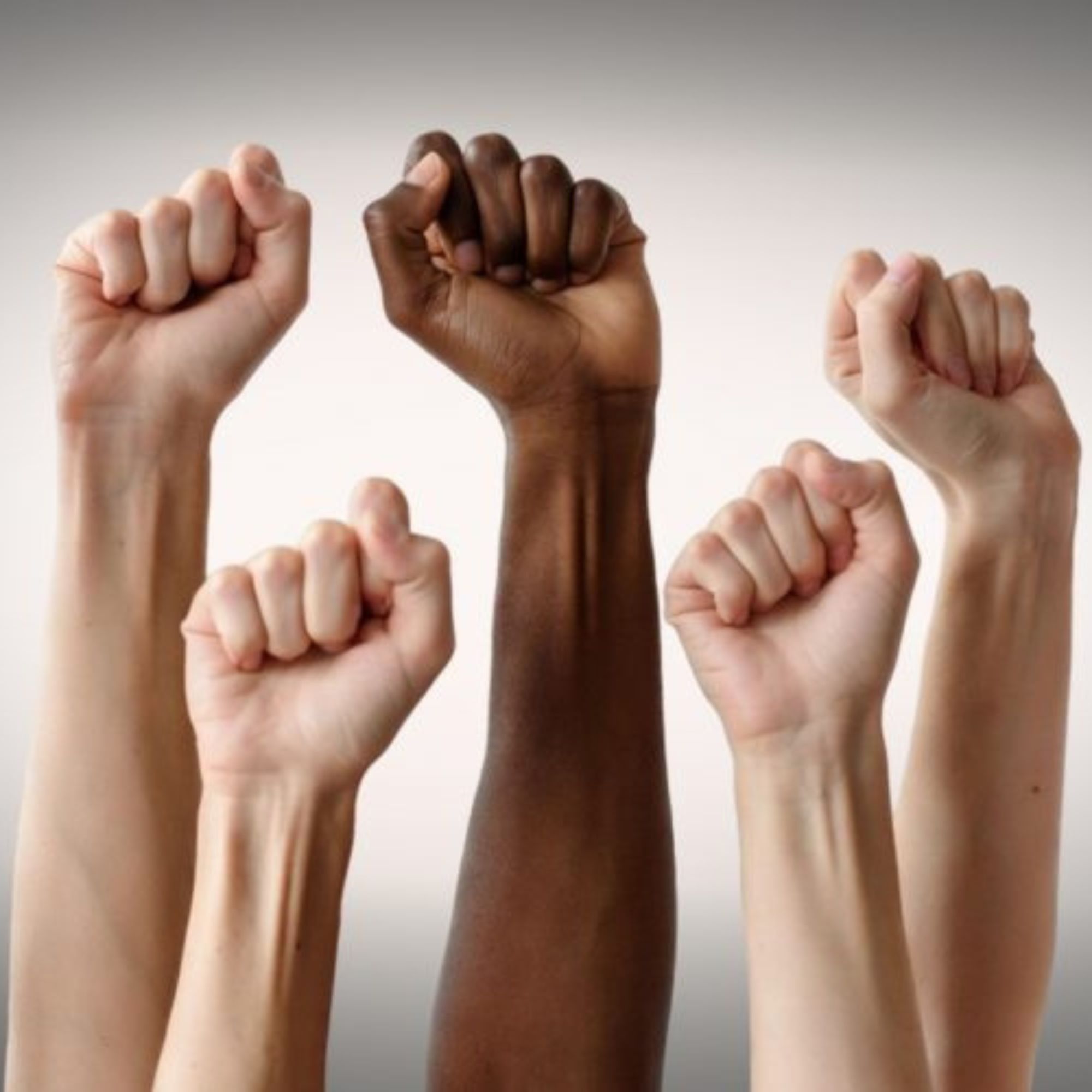
The secular saints of Civil Rights
In many Black households of yesteryear, portraits of Martin Luther King, Jr. hung alongside pictures of John F. Kennedy and Jesus. Sharron Wilkins Con...

Soccer is expensive, but it doesn’t make money
Soccer has a massive following around the world. So why do teams lose money? Stefan Szymanski is professor of sport management at the University of Mi...

Pope Leo finds his voice
The new American pope has been a very vocal critic of American foreign and domestic policy. Victor Gaetan, senior international correspondent for Nati...

The pathogens thriving because of climate change
Microbes have lived on this planet since long before humans, and they’ll be here long after we’re gone. Shayla Love is a journalist who writes about s...

The drug that's deadlier than opioids
The damage caused by alcohol costs Americans billions of dollars, and it largely goes unnoticed. Isabella Cueto, chronic disease reporter for Stat, jo...
The heart and heartbreak of the American South
For two-time National Book Award winner Jesymn Ward, the deep South is the only place she can call home. The author talks with host Krys Boyd about th...
How limitations open up your world
Creativity knows no bounds but it’s best captured within set limits. Author and journalist David Epstein joins host Krys Boyd to discuss why too many...
What black markets can teach us about the economy
To really understand the nuts and bolts of economics, look to the black market. Alvin E. Roth is Craig and Susan McCaw Professor of Economics at Stanf...

The broken promises of the Iranian revolution
Iran was filled with hope during the 1979 revolution; that was soon dashed. Yeganeh Torbati is a correspondent for The New York Times covering Iran, a...
Are they serious about repealing the 19th amendment?
There’s a movement to rebuff the gains of feminism called masculinism, and it’s gaining ground. Helen Lewis, staff writer at The Atlantic, joins host...

The olds are in charge, and it’s not good
The country is run by senior citizens, and their control is transforming the nation. Samuel Moyn is Kent Professor of Law and History at Yale Universi...

Beware the influence of big diaper
There are lots of experts who claim to know when it’s time to potty train a child, but their advice is rarely based in science. Saabira Chaudhuri join...

The big SCOTUS decisions on their way
The Supreme Court has already ruled on monumental issues this term, and more are to come. Ian Millhiser is a senior correspondent at Vox, and he joins...

Gen Z brand = Burnt out
Gen Zer’s have lived their lives online, and they’re burned out. Freya India is the author of the Substack GIRLS, where she writes about the challenge...
Can the Fed stay independent?
Kevin Warsh has been confirmed as the next Federal Reserve Chair will the central bank remain independent? Frontline correspondent and filmmaker James...
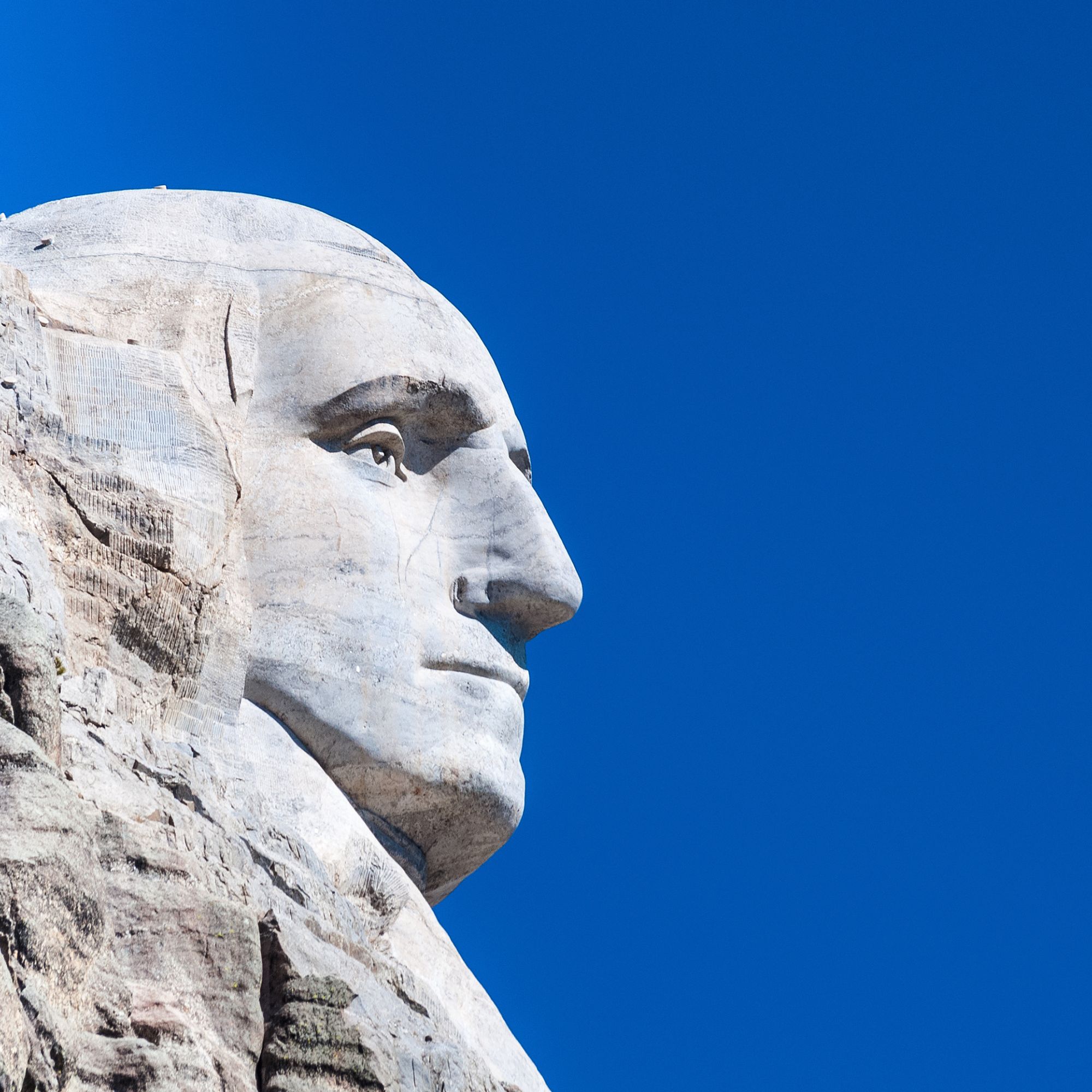
George Washington never wanted to be president
The most reluctant politician we’ve ever had just happens to have been our first president. H.W. Brands is Jack S. Blanton Sr. Chair in History at the...

We're living in the world the yuppies made
The 1980s brought us the young upstarts known as the Yuppies and you may be living their lifestyle today. Dylan Gottlieb is historian at Bentley Univ...